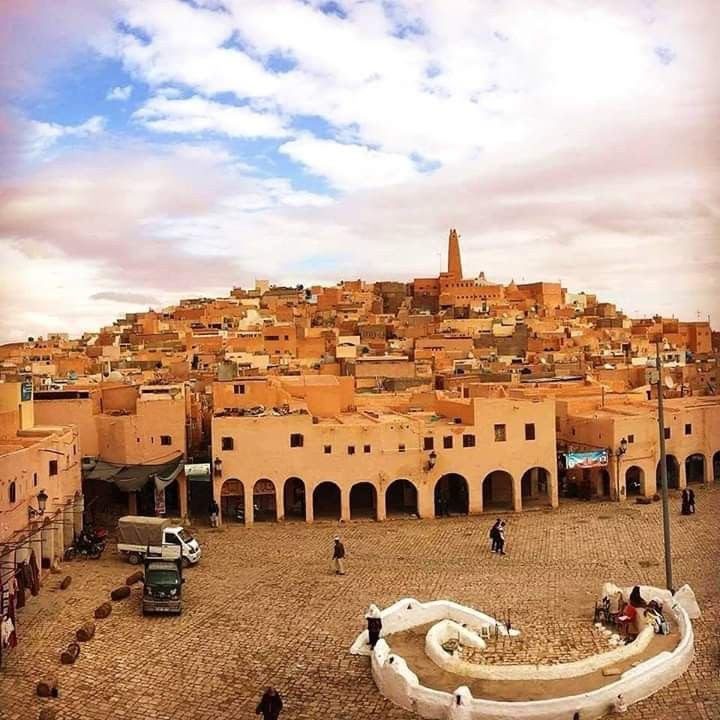
The largest country in Africa, spanning the Mediterranean coast, the Tell Atlas, the High Plateaus and the vast Sahara.
- Coordinates
- 28.034, 1.660
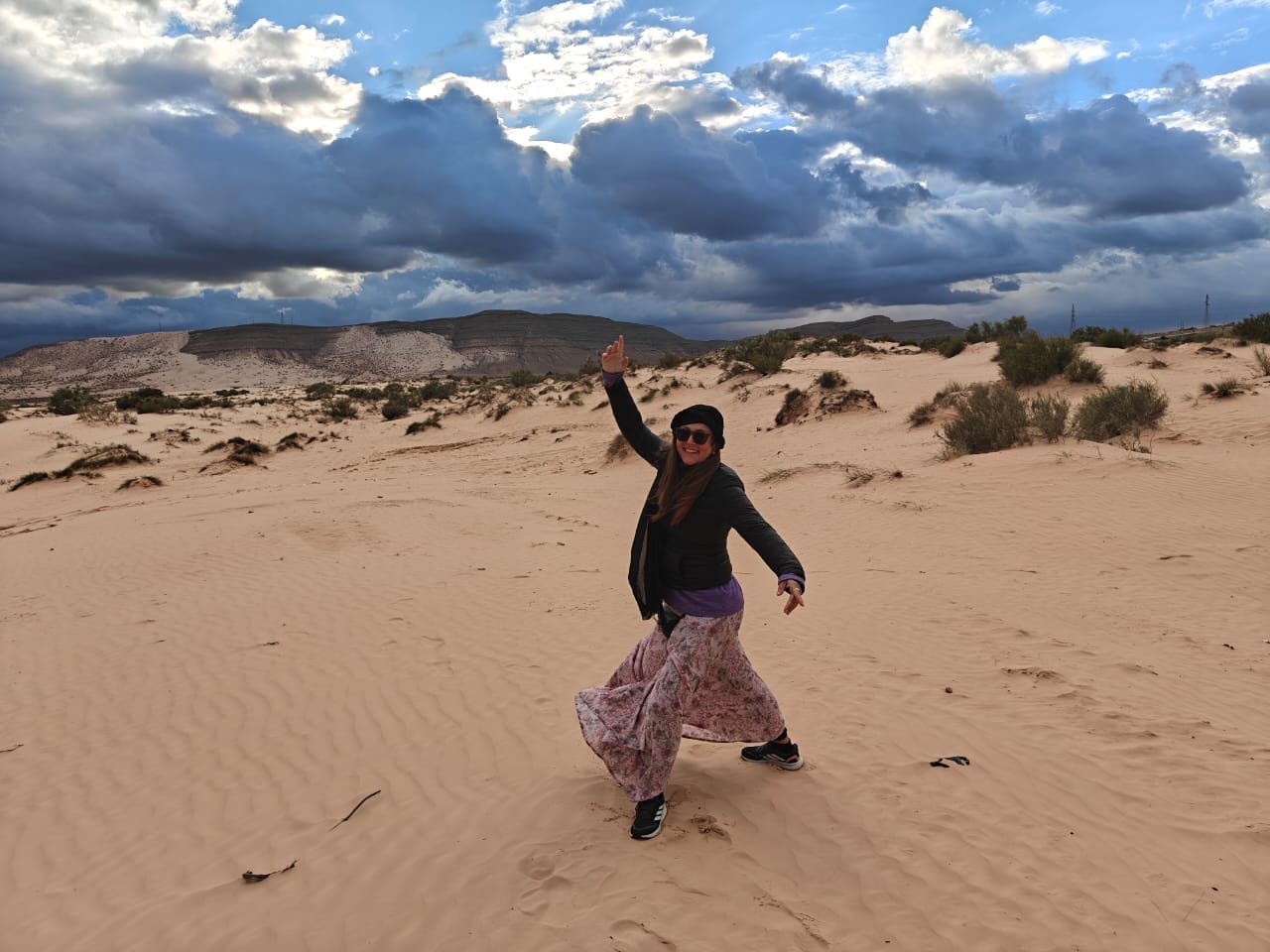
Own the definitive English guide to the Algerian Sahara.
Algeria Sahara is one of Algeria Compass's 16 content clusters: The deep desert: Tassili, Tadrart, the Hoggar, ergs and oasis worlds. It connects 21 knowledge-graph entities with 8 page(s) and links to 13 related clusters.
The largest country in Africa, spanning the Mediterranean coast, the Tell Atlas, the High Plateaus and the vast Sahara.
UNESCO World Heritage Site (inscribed via list ref 179) in Tassili, Algeria.
UNESCO World Heritage Site (inscribed via list ref 188) in M'Zab, Algeria.
The semi-arid Hauts Plateaux and Hodna between the Tell and the Sahara.
The northern desert and its oases — the M'Zab, the Ziban, the Souf and Ouargla.
The deep Sahara: the Hoggar, the Tassili, and the Saoura and Touat oases of the south-west.
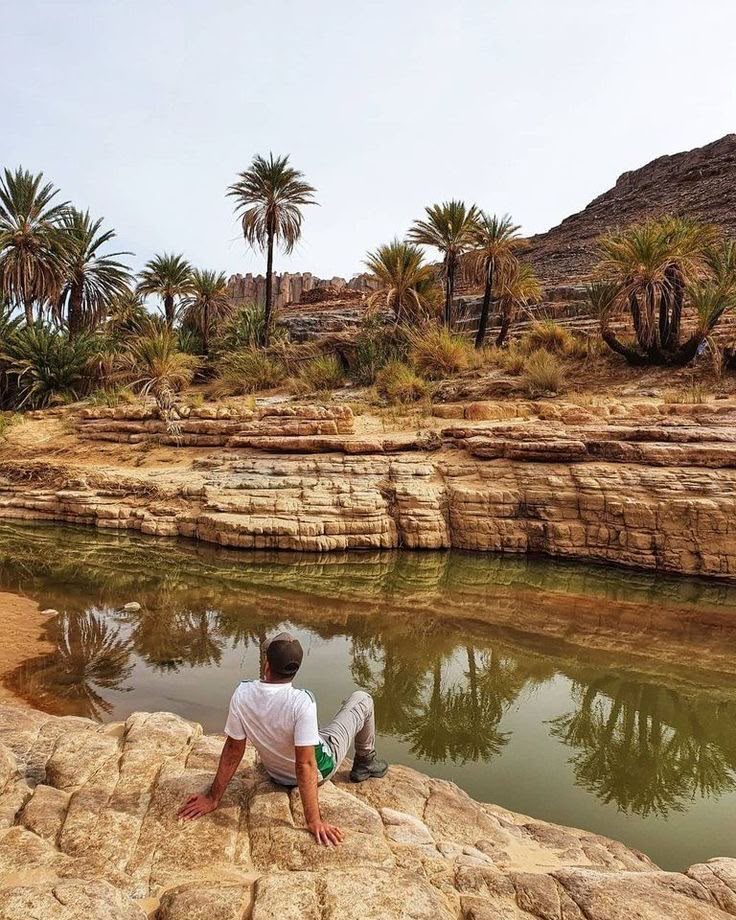
Djanet is an oasis town in south-east Algeria, the gateway to the Tassili n'Ajjer plateau (UNESCO) and the red dunes of the Tadrart Rouge — Algeria's premier Sahara destination.
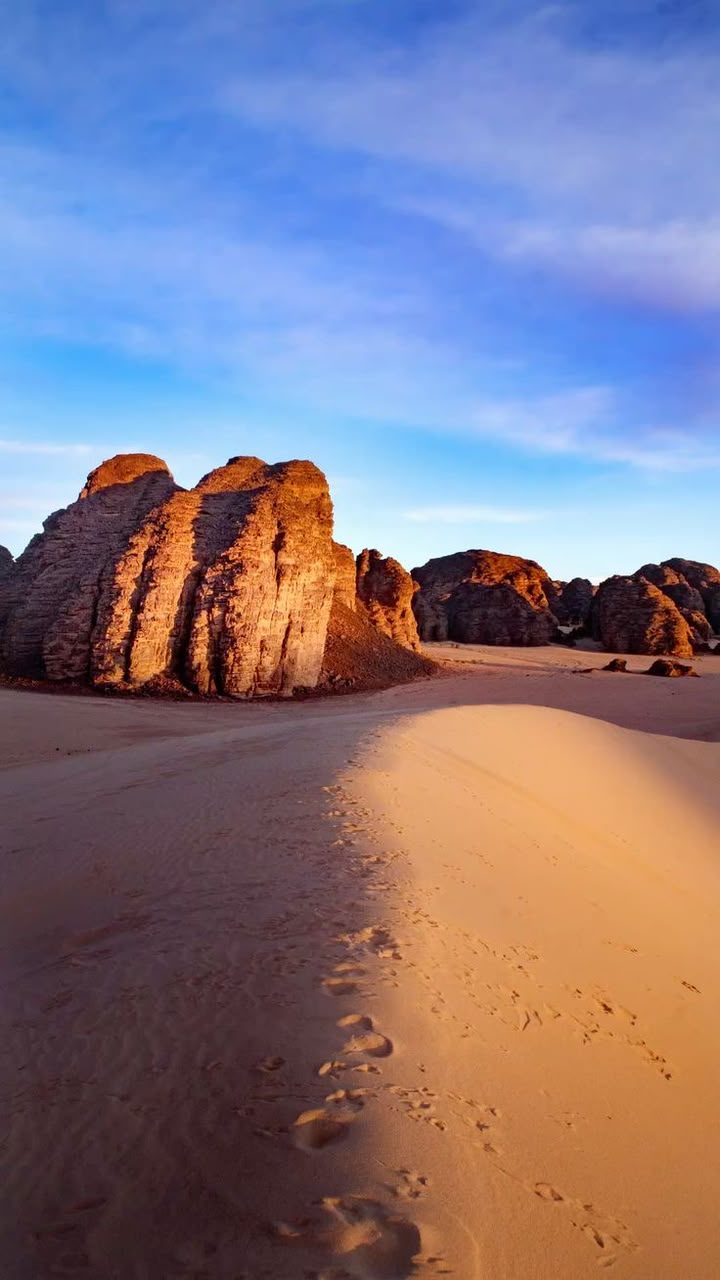
Tassili n'Ajjer is a vast sandstone plateau in south-east Algeria, a UNESCO World Heritage Site holding around 15,000 prehistoric engravings and paintings that record a once-green Sahara. Reached from Djanet, it is one of the world's greatest open-air galleries of rock art.
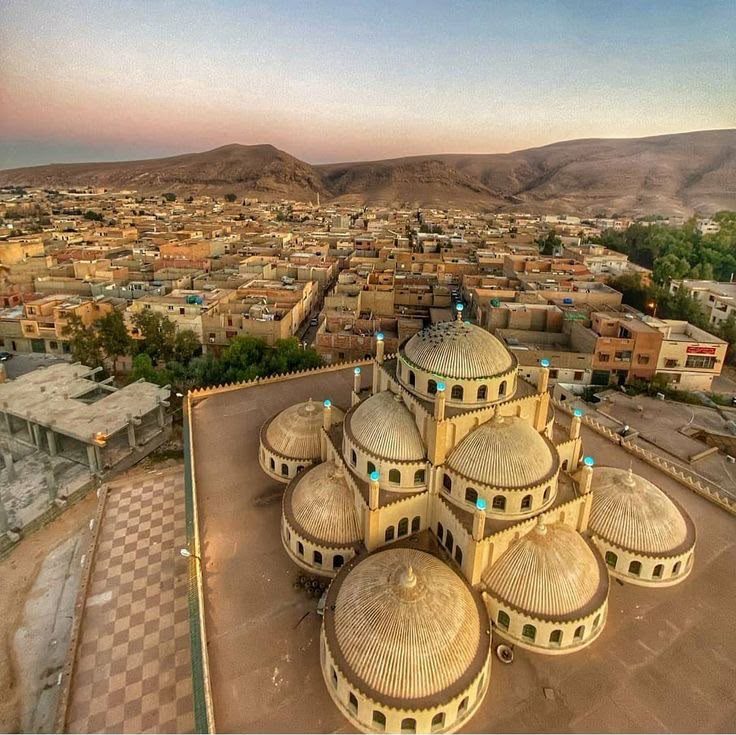
Two days in the City of Happiness — a palm oasis on the edge of the Sahara, ochre gorges, an old ksar, and the light that drew painters south.
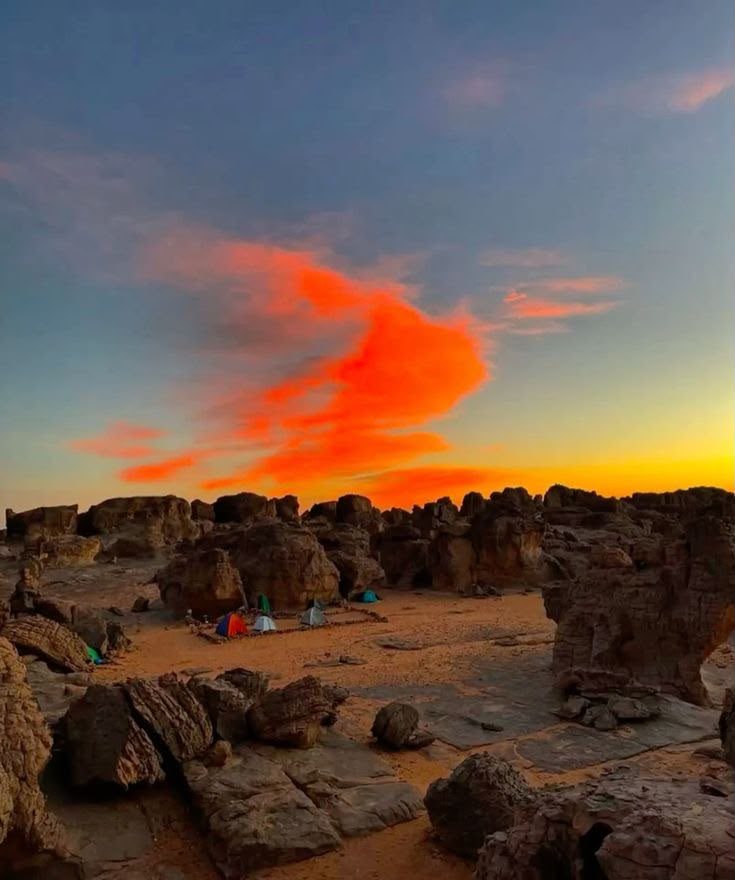
Eight days into the prehistoric heart of the Sahara — rock art, red dunes and nights under 3,000 stars.
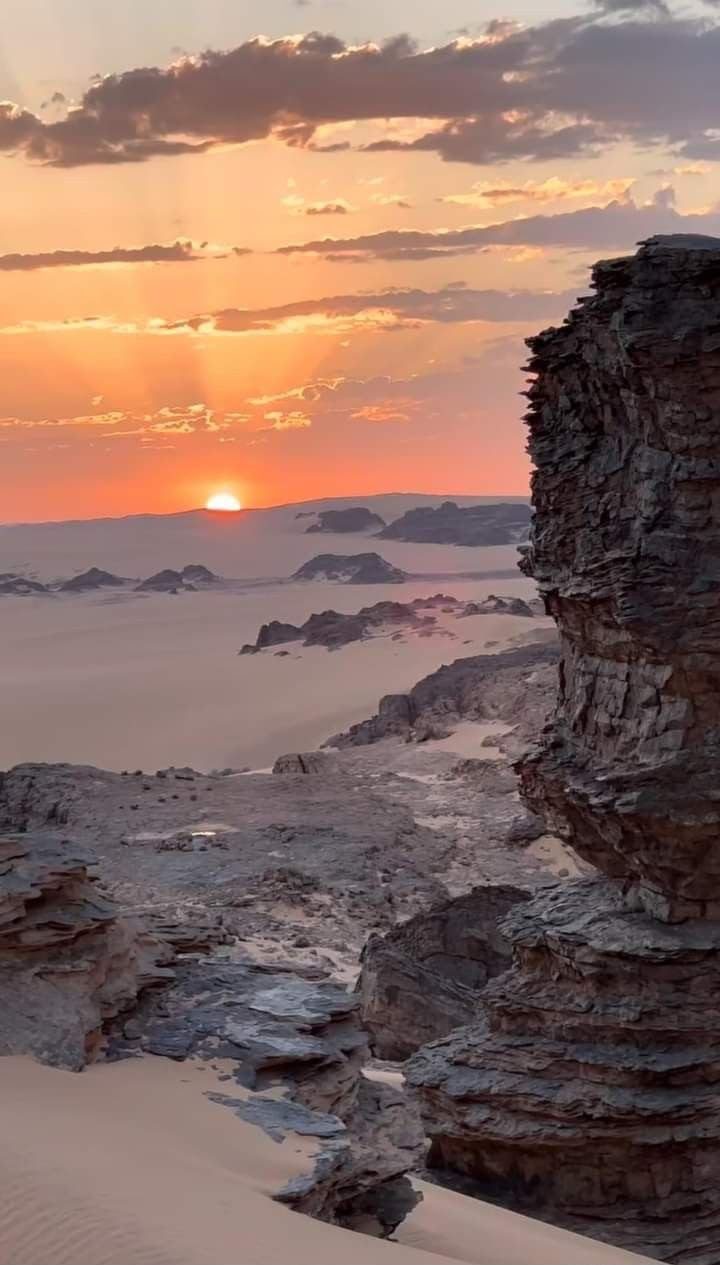
Algeria holds the largest slice of the Sahara of any country on earth — and almost no crowds. Here is how to actually experience it.
Algeria has three climates at once. This month-by-month and region-by-region guide shows exactly when to go for the coast, the cities, the mountains and the Sahara — and which months to avoid.
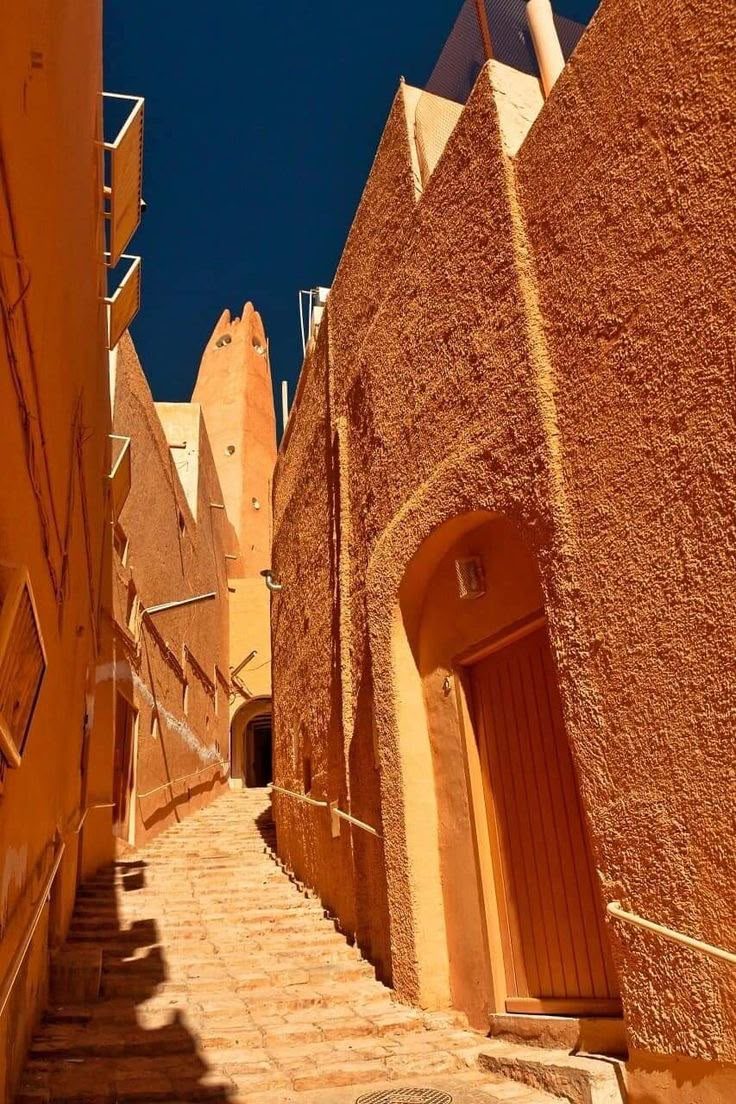
Five fortified desert cities, an 11th-century blueprint for living, and an urban design so radical the 20th century's most famous architect kept coming back to study it.