The Best Time to Visit Algeria: A Month-by-Month Guide
May 2026 · 16 min read
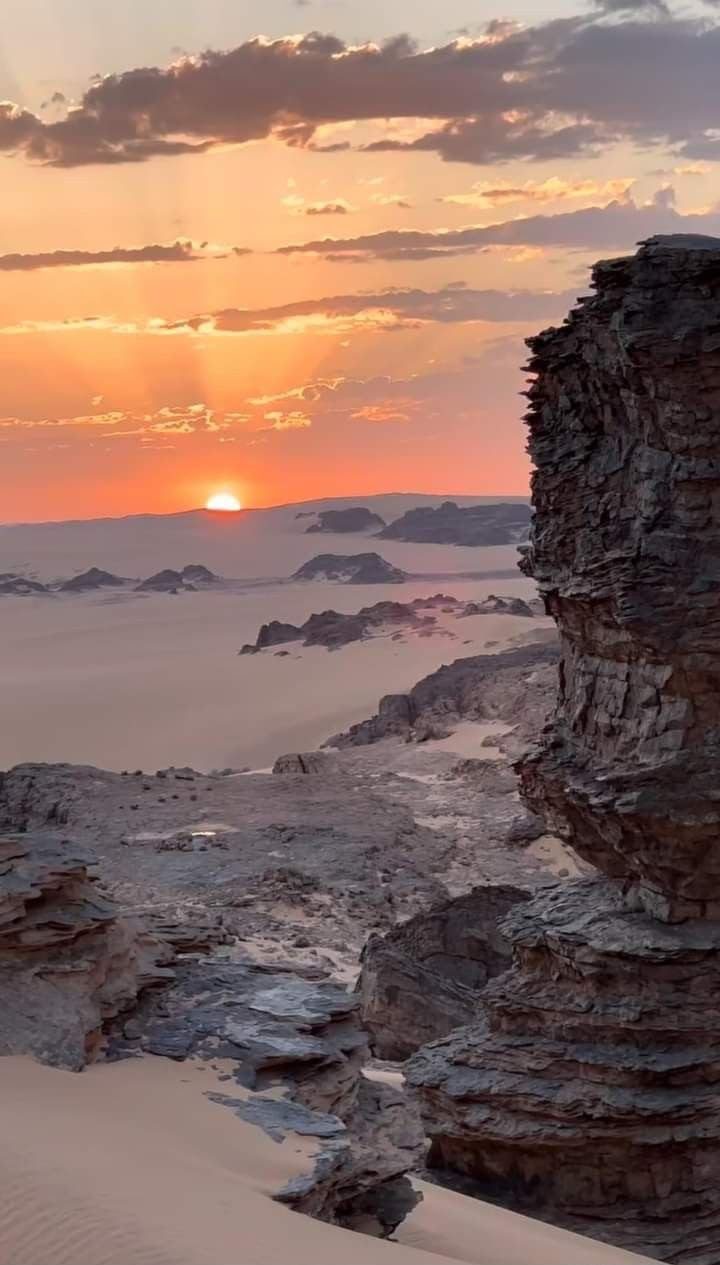
Spring (March–May) and autumn (September–November) are the best all-round times to visit Algeria. The Sahara is a winter destination (November–February); the Mediterranean coast is best for swimming May–October; and the deep desert should be avoided in summer, when heat is dangerous.
Algeria is not one climate but three, stacked from the Mediterranean to the deep Sahara, and the question “when should I go?” only makes sense once you decide where you are going. This guide answers it both ways — by month and by region — and feeds into the wider travel-planning guides and the complete travel guide. The short version sits in the Quick Answer above and in When is the best time to visit Algeria?; the detail is below.
The three climates
The coast is Mediterranean: mild, wet winters and hot, dry summers. The northern highlands and mountains are continental, with cold, sometimes snowy winters and hot summers. The Sahara is arid and extreme — delightful in winter, perilous in summer. Almost every timing decision in Algeria flows from these three patterns, which is why a single “best month” does not exist.
Monthly breakdown
The climate table on this page summarises northern Algeria month by month; read it alongside the regional notes, because the same month means different things in Algiers and in Djanet. In broad terms, January–February are mild and wet in the north and prime in the desert; March–May see the north green and the desert still comfortable; June–August are hot, with the coast in full beach season while inland and desert travel become unpleasant or dangerous; September–November return excellent all-round conditions; and December mirrors midwinter — mild north, superb Sahara.
Seasonal breakdown
Spring (Mar–May) and autumn (Sep–Nov) are the two five-star windows for a mixed itinerary. Winter (Dec–Feb) is the season to prioritise if the Sahara is your goal, accepting cooler, wetter days in the north. Summer (Jun–Aug) is really only for the coast. The seasonal ratings on this page capture that at a glance.
Regional differences
This is where planning is won or lost. For the coast — Algiers, Oran, Béjaïa — aim for May–October. For the northern cities and the Roman east, including Djémila and Timgad, the shoulder seasons are ideal for comfortable sightseeing. For the mountains, May–October offers the best trekking, with mid-winter snow on the Djurdjura and Aurès. For the Sahara — the Tassili, the Tadrart and the M’Zab — November to February is the answer. The regional table makes the trade-offs explicit.
Desert travel
The deep south deserves its own rule: November to February only. In those months, days are clear and warm, nights are cold, and conditions for trekking, photography and 4x4 travel are superb. From March the heat builds quickly, and by summer the Sahara is genuinely dangerous for tourism. Plan desert time at the heart of winter and layer for sharp temperature swings between midday and night.
Coastal travel
Algeria’s roughly 1,600 kilometres of Mediterranean coast come alive from late spring. Sea temperatures are pleasant from June, and July–August are peak beach months — busy, hot and lively. If you want the coast without the crowds, late May, June and September are the sweet spots, pairing warm water with calmer towns.
Mountain travel
The Kabylie Djurdjura and the Aurès reward late spring through autumn, when trails are clear and the cedar forests are at their best. Winter brings snow and even skiing at Chréa, but also closes higher routes. For walking and scenery, May–October is the dependable window.
Festival calendar
Timing a trip to a festival adds a memorable layer. Yennayer, the Amazigh new year, falls in January. The Tuareg Sebeiba in Djanet is a UNESCO-recognised desert festival in the cool season. The Timgad International Festival animates the Roman ruins in summer, and raï has its spiritual home in Oran. Explore these through the culture guide and confirm dates, which can shift, before booking.
Photography seasons
For the Sahara, the cool months (November–February) give clean light, long shadows and comfortable shooting; sunrise and sunset over the Tadrart and Tassili are the prizes. In the north, the clear shoulder seasons light the white Casbah, the Roman stone and the Constantine gorges beautifully without summer haze.
Family and luxury travel seasons
For families, the shoulder seasons and early summer on the coast balance comfortable temperatures with manageable logistics, keeping desert exposure short. For premium and private travel, the desert’s winter window is when the best camps and guides operate, and the shoulder seasons suit unhurried heritage journeys in the north.
Recommended and avoided months
Recommended: April–May and September–October for an all-round trip; November–February for the Sahara; June–September for the coast. Avoid: June–August for any inland or desert focus, and the heart of winter if your priority is swimming. When in doubt, the shoulder months are the most forgiving across the widest range of Algeria.
Putting it together: timing a multi-region trip
Because the country’s climates peak at different times, the art of planning Algeria is sequencing. The most forgiving plan is a shoulder-season loop: travel in April–May or late September–October, base the trip in the north — Algiers, the coast at Tipasa, the Roman east around Sétif and Constantine — and add a short desert leg at the edge of its season, when the Sahara is warming up or cooling down but not yet extreme. If the desert is the heart of your trip, invert the logic: build around December–February, accept cooler, occasionally wet days in the north, and treat the cities as the supporting act to the dunes. A summer visit should commit fully to the coast, leaving inland ruins and the desert for another time rather than enduring them in the heat. Whatever the season, leave slack in the schedule: weather, transport and the simple scale of the country all reward a plan with room to flex. And remember that altitude and latitude compound — a mild winter day in Algiers can be near-freezing at night in the Hoggar, so pack layers for any itinerary that spans the coast and the south in the same week.
A note on what the numbers mean
The temperatures in the climate table are approximate long-term averages for the north, not predictions for your dates, and the desert swings far wider — hot afternoons, cold nights — than any single figure suggests. Use the table to choose a season and a region, then check a live forecast in the week before you travel. For desert trips, trust your operator’s current, on-the-ground read of conditions over any chart.
Frequently asked questions
The questions below cover the most common timing decisions. Climate figures are approximate long-term patterns, not forecasts; check a current forecast close to travel and our editorial standards for how we maintain planning pages.
About these sources
Climate background draws on Encyclopædia Britannica; UNESCO and UK government sources inform the desert and festival notes.
| Month | Temp | Rain | Verdict |
|---|---|---|---|
| January | ~9–16°C | Wet | Mild north; prime Sahara |
| February | ~9–17°C | Wet | Mild north; prime Sahara |
| March | ~10–18°C | Showers | North greening; good desert |
| April | ~12–20°C | Showers | Excellent all round |
| May | ~15–23°C | Drier | Excellent; desert warming |
| June | ~19–27°C | Dry | Coast good; desert too hot |
| July | ~21–30°C | Dry | Beach season; avoid desert |
| August | ~22–31°C | Dry | Beach season; avoid desert |
| September | ~20–28°C | Dry | Excellent; coast still warm |
| October | ~17–24°C | Showers | Excellent all round |
| November | ~13–20°C | Wet | Good north; desert season opens |
| December | ~10–17°C | Wet | Mild north; prime Sahara |
Best time to go
- Spring (Mar–May)Best overall: green north, comfortable desert edges.
- Autumn (Sep–Nov)Warm, clear, excellent for most of the country.
- Winter (Dec–Feb)Cool/wet north; the prime season for the deep Sahara.
- Summer (Jun–Aug)Coast only; inland and desert too hot.
Common mistakes
- Planning the Sahara in summerGo November–February; summer desert heat is dangerous.
- Expecting one perfect month for everythingMatch the month to the region you most want.
- Beach trip in winterVisit the coast May–October for warm sea.
- Ignoring Ramadan's rhythmCheck the shifting dates and plan around daytime closures.
| Best months | Avoid | Why | |
|---|---|---|---|
| Coast (Algiers, Oran, Béjaïa) | May–Oct | Winter for swimming | Warm sea, beach weather |
| Northern cities & Roman east | Mar–May, Sep–Nov | Peak summer heat | Comfortable sightseeing |
| Mountains (Djurdjura, Aurès) | May–Oct | Snowy mid-winter | Trekking conditions |
| Sahara (Tassili, Tadrart, M'Zab) | Nov–Feb | Jun–Aug (dangerous heat) | Cool, clear desert days |
Key facts
| Best overall | Spring & autumn |
| Sahara | November–February |
| Coast | May–October |
| Avoid (desert) | June–August |
Sources
Key facts on this page are checked against the following sources. See our Sources Policy and Fact-Checking Policy.
- Algeria — Climate — Encyclopædia Britannica · Reference work
- Algeria — World Heritage (Tassili n'Ajjer) — UNESCO World Heritage Centre · UNESCO World Heritage Centre
- Foreign travel advice: Algeria — UK FCDO · Government source


