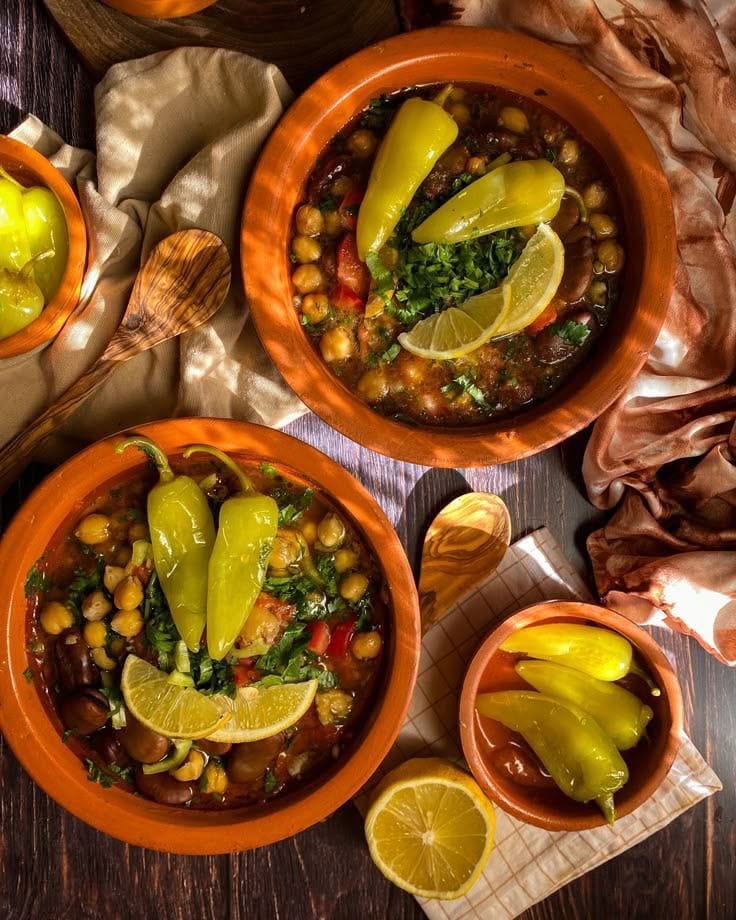
Chorba & Loubia
Nationwide · the evening tableChorba is the fragrant soup that opens the meal — frik or vermicelli, tomato, lamb and herbs — and the heart of the Ramadan iftar. Loubia, a slow white-bean stew, is its hearty everyday cousin.
Autumn — golden light on the Roman cities, ideal touring weather.When to go where

Six civilisations, one table — and couscous at the centre of it.
Algerian cuisine is a Maghrebi tradition built on couscous — the national dish, eaten on Fridays — alongside hearty soups like chorba, slow tagines, fresh breads and sweet mint tea. It layers Amazigh, Arab, Ottoman, Andalusian, French and Saharan influences, and changes character from the Mediterranean coast to the deep desert.
No single people made Algerian food. It is the sum of everyone who has lived on this land — the indigenous Imazighen, the Arab dynasties, three Ottoman centuries, the exiles of Al-Andalus, the French colonial era, and the Sahara itself. You taste all of them in a single week.
The Berber foundation: semolina, couscous, barley breads and the rhythms of the land.
Spice and sweetness — cinnamon, saffron, dried fruit and honeyed pastries.
Turkish technique: bourek, stuffed vegetables (dolma) and rich pastry-craft.
From exiled Al-Andalus: delicate sauces, almonds and the refined cooking of the western cities.
The colonial echo — the baguette, café culture, flan and a love of good bread.
The desert table: dates, dried meats, flat breads baked in sand and tea poured high.
If Algeria has one dish, it is couscous: hand-rolled semolina steamed light and fluffy over a broth of meat and seasonal vegetables. It is eaten at Friday lunch, pressed on every guest, and served at weddings and funerals alike. Berber in origin and Maghrebi to the core, it is less a recipe than a ritual of generosity.
Look for it topped with lamb shank in winter, with chicken and chickpeas year-round, and sweetened with raisins and cinnamon (masfouf) for celebrations.

Chorba is the fragrant soup that opens the meal — frik or vermicelli, tomato, lamb and herbs — and the heart of the Ramadan iftar. Loubia, a slow white-bean stew, is its hearty everyday cousin.
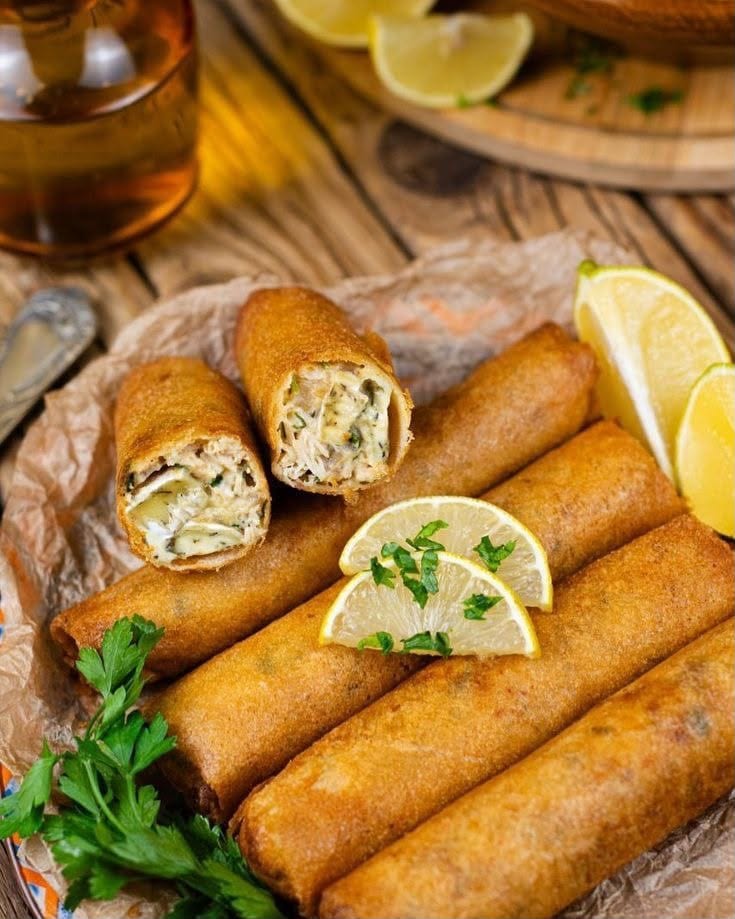
Crisp golden cigars of thin warqa pastry rolled around spiced minced meat, egg or cheese, then fried — the sound of Ramadan kitchens across the country.
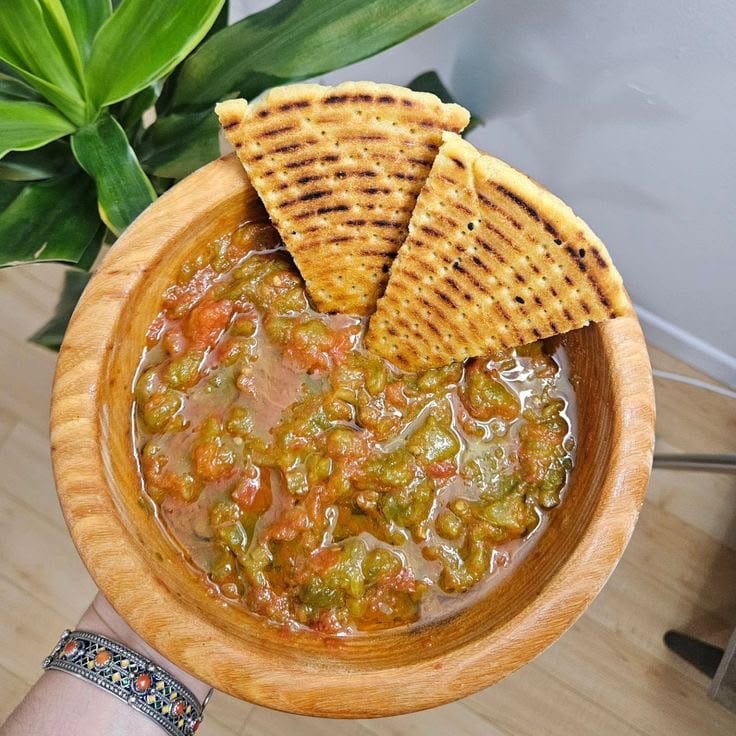
Slow-cooked peppers, tomatoes and garlic, sometimes finished with egg (chakchouka); hmiss is its smoky roasted-pepper salad, scooped up with grilled bread.
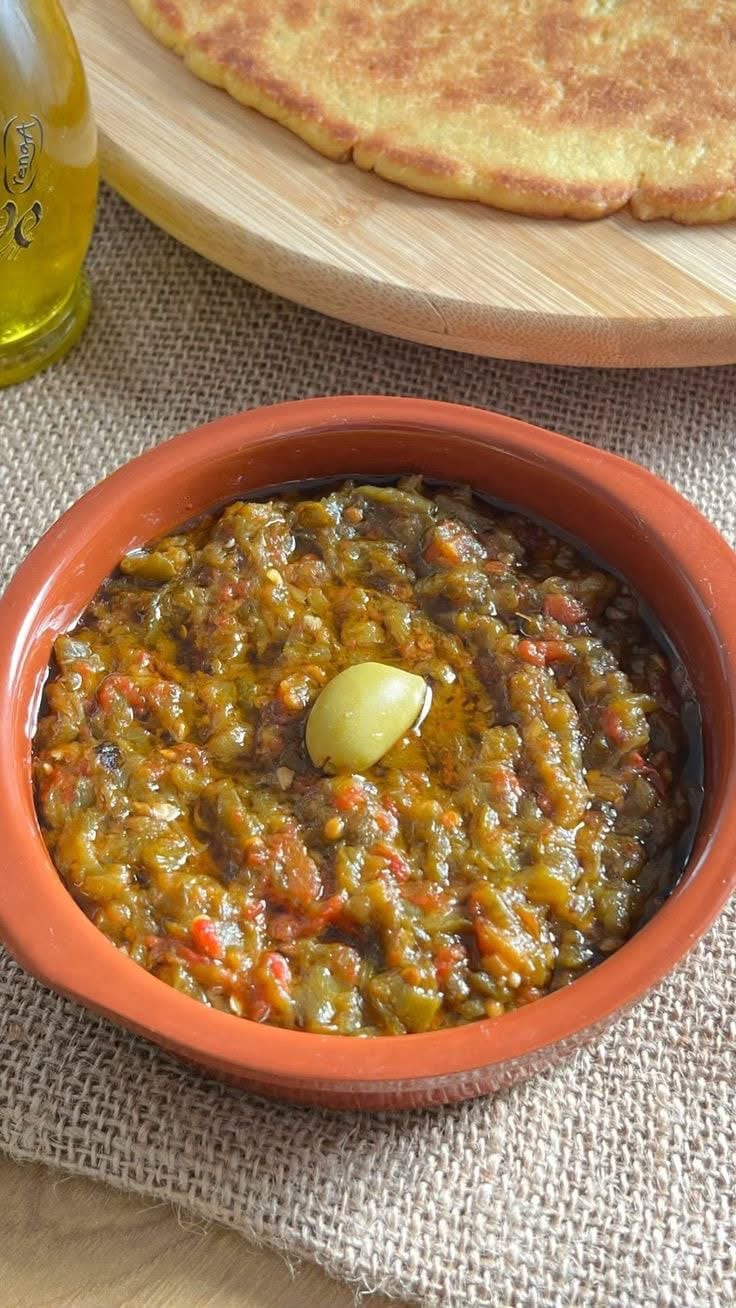
The roasted, chopped pepper-and-tomato relish that sits on almost every table — cooling, smoky and made to share with fresh bread.
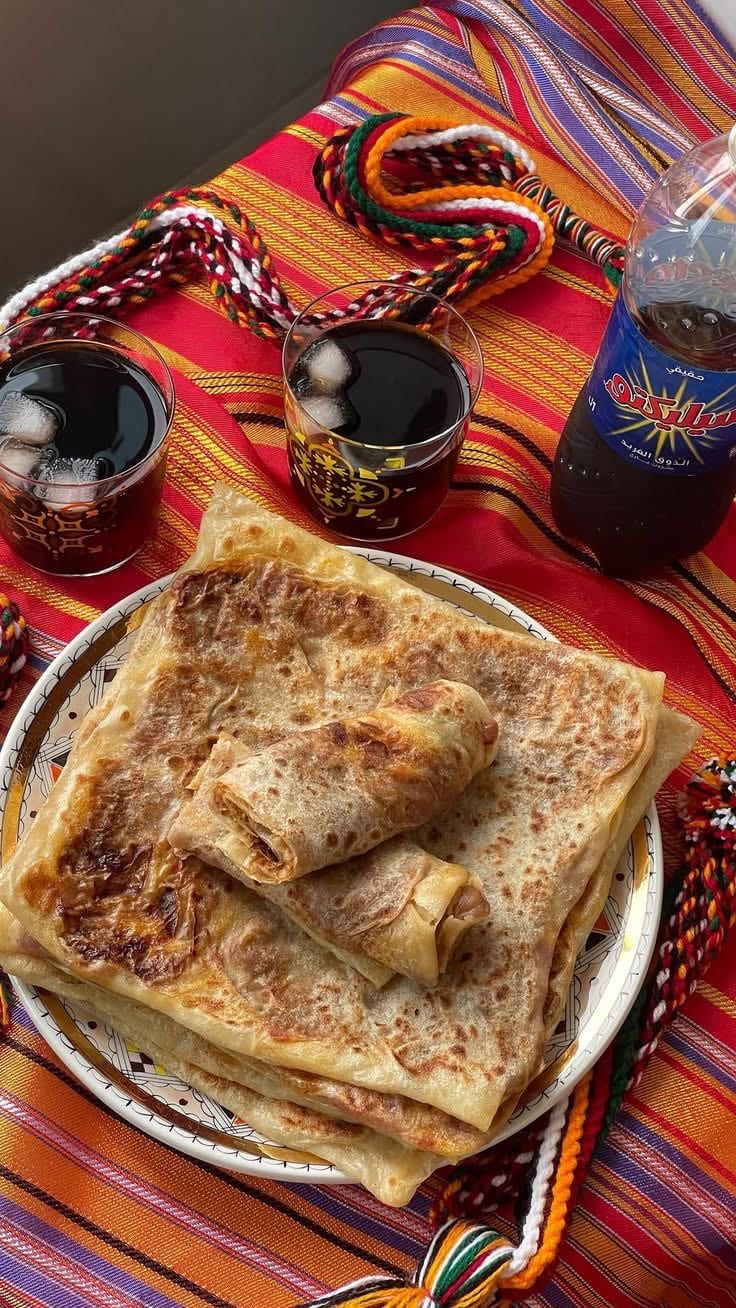
A square, laminated griddle-bread, flaky and tender, eaten warm with honey and butter — and never far from a glass of mint tea.
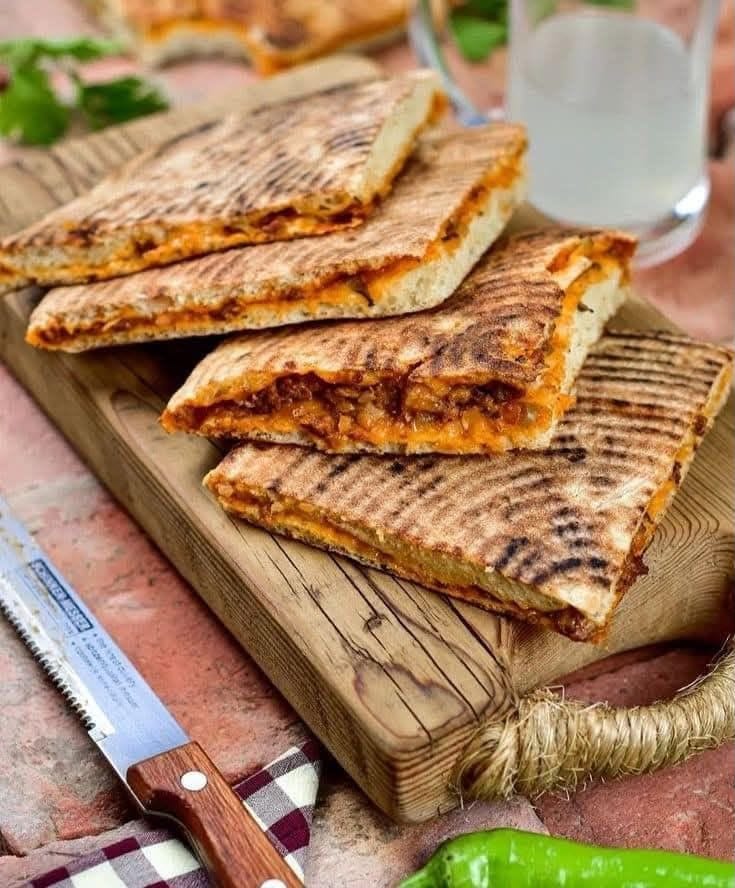
Thin semolina flatbread folded around a slow-cooked filling of tomato, onion and pepper, griddled to order — the classic Algerian street snack.
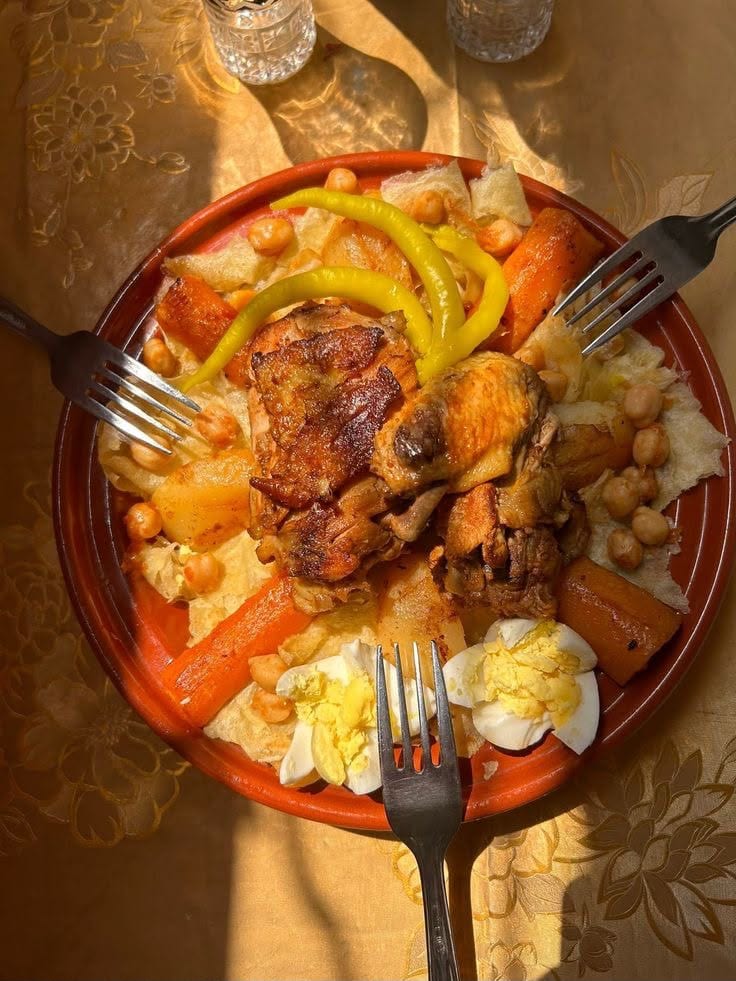
Hand-rolled semolina steamed over a meat-and-vegetable broth — lamb or chicken, chickpeas, carrots, courgette and turnip. Friday lunch, weddings, mourning, welcome: couscous marks them all.
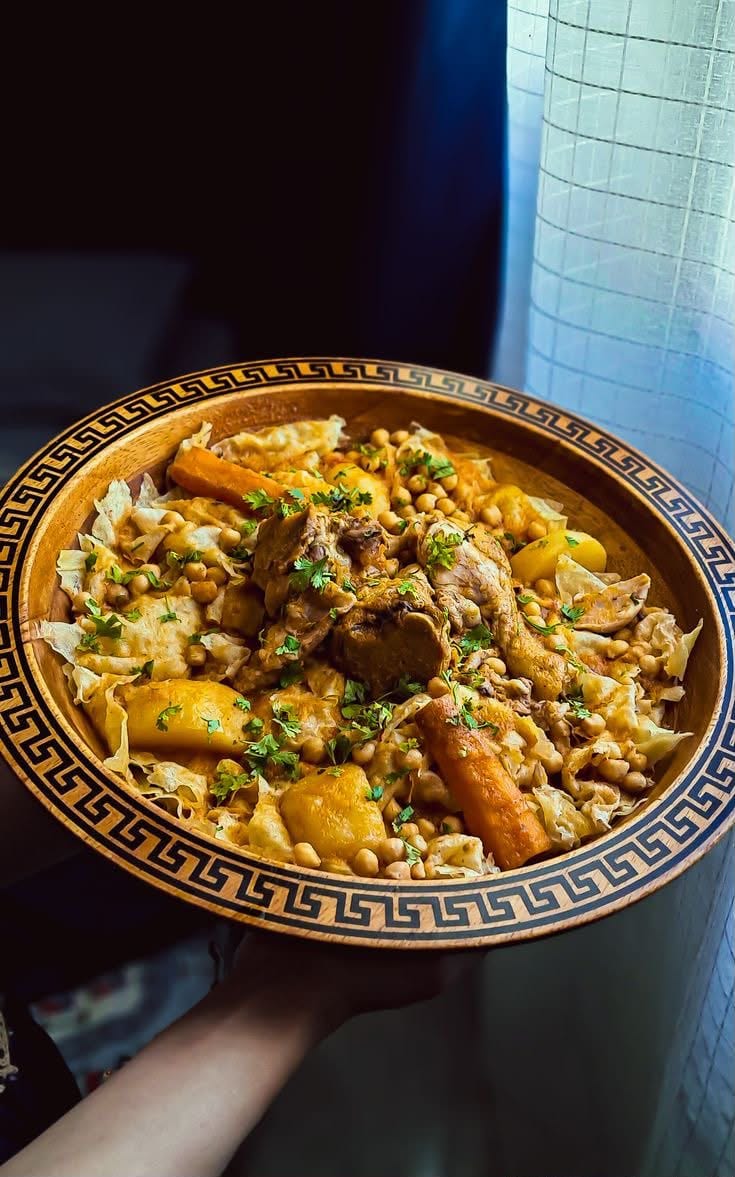
Fine hand-pulled noodles in a pale, gently spiced chicken-and-chickpea sauce scented with cinnamon — a dish of Algiers for births, holidays and Mawlid.
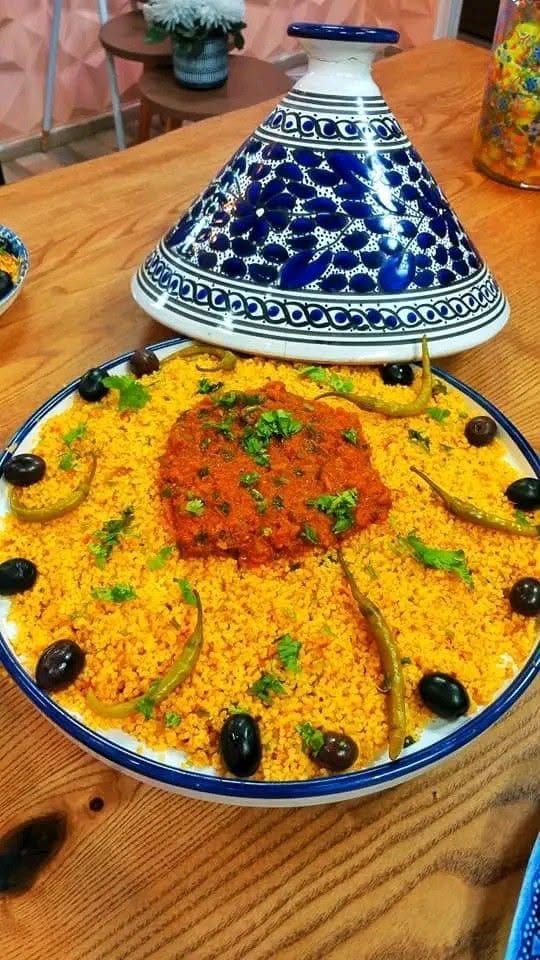
The grand, generous platter brought out for guests — couscous crowned with meat, vegetables and chickpeas, shared from the middle of the table.
The other half of the Algerian table. After the savoury comes a world of honeyed, almond-rich pastries — Ottoman in technique, Andalusian in delicacy, and brought out by the trayful for Eid, weddings and Ramadan nights with glasses of mint tea or coffee.
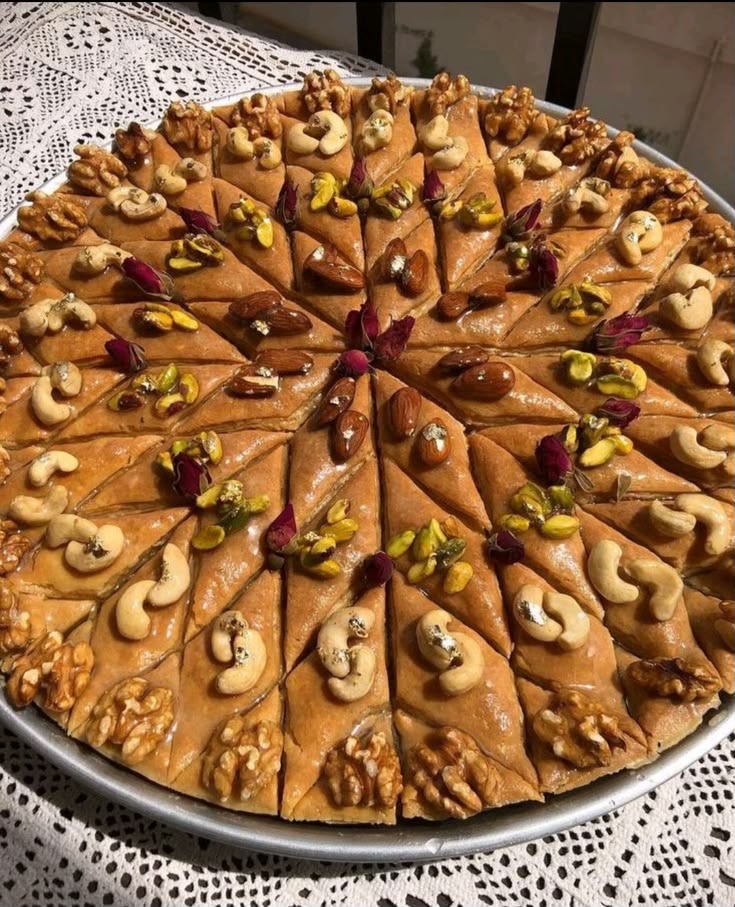
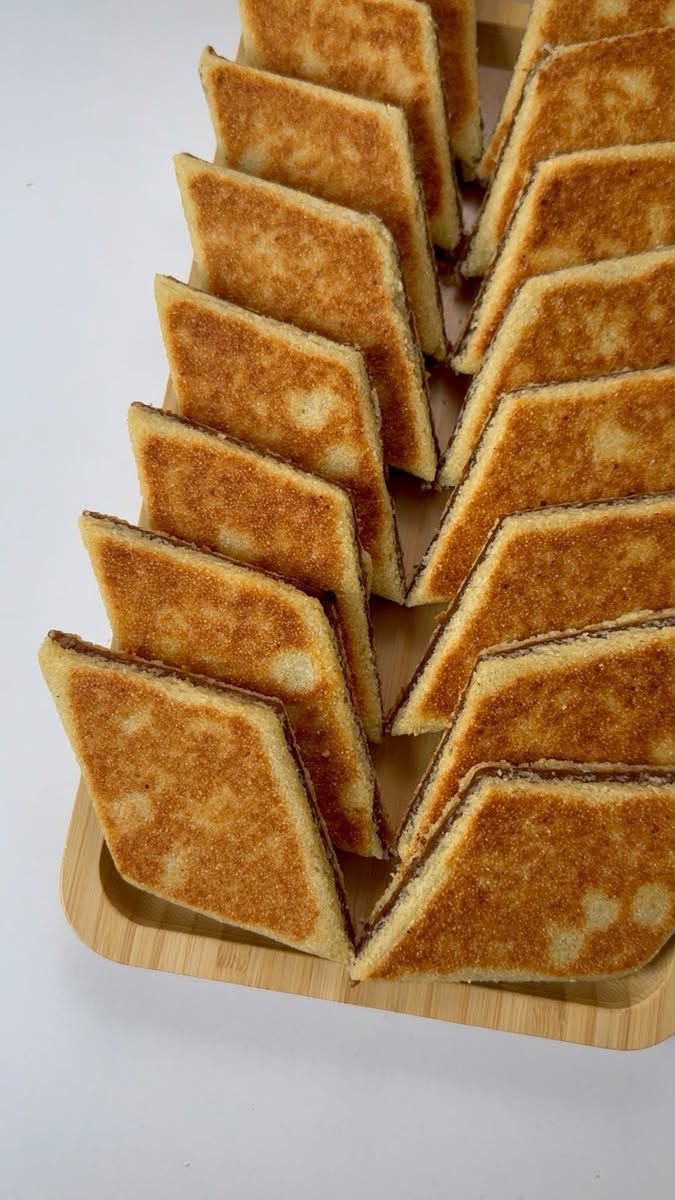
Fine layers of warqa pastry packed with walnuts or almonds, baked and drenched in honey or syrup, then cut into glossy diamonds. The centrepiece of weddings and Eid tables.
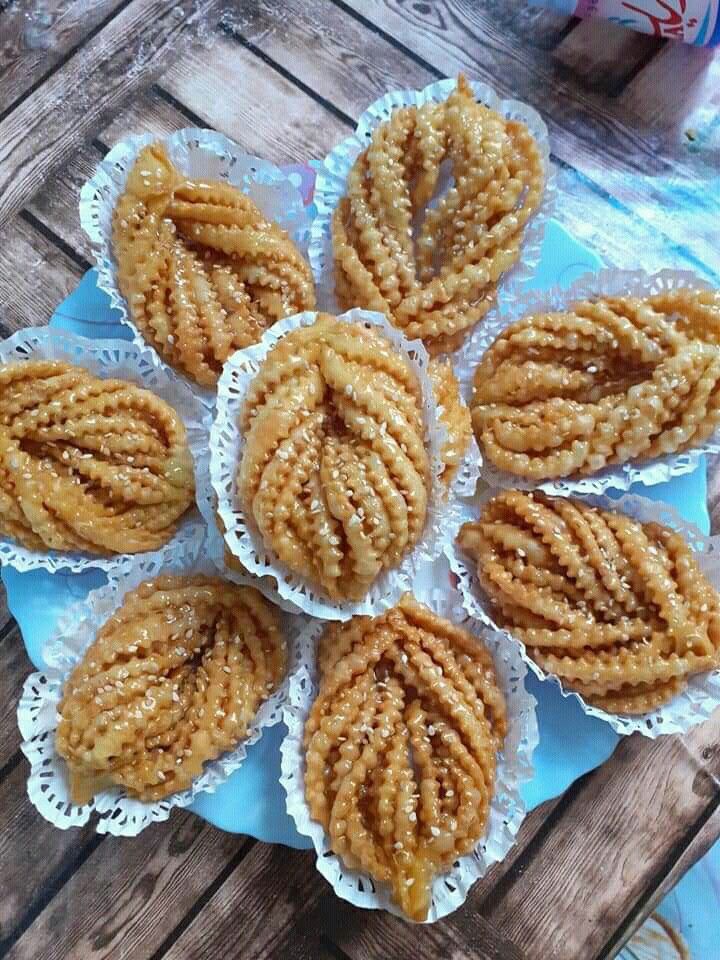
The refined almond cousin of Constantine's date-stuffed makroud: little almond-paste leaves poached in syrup and rolled in sugar, melting and floral.
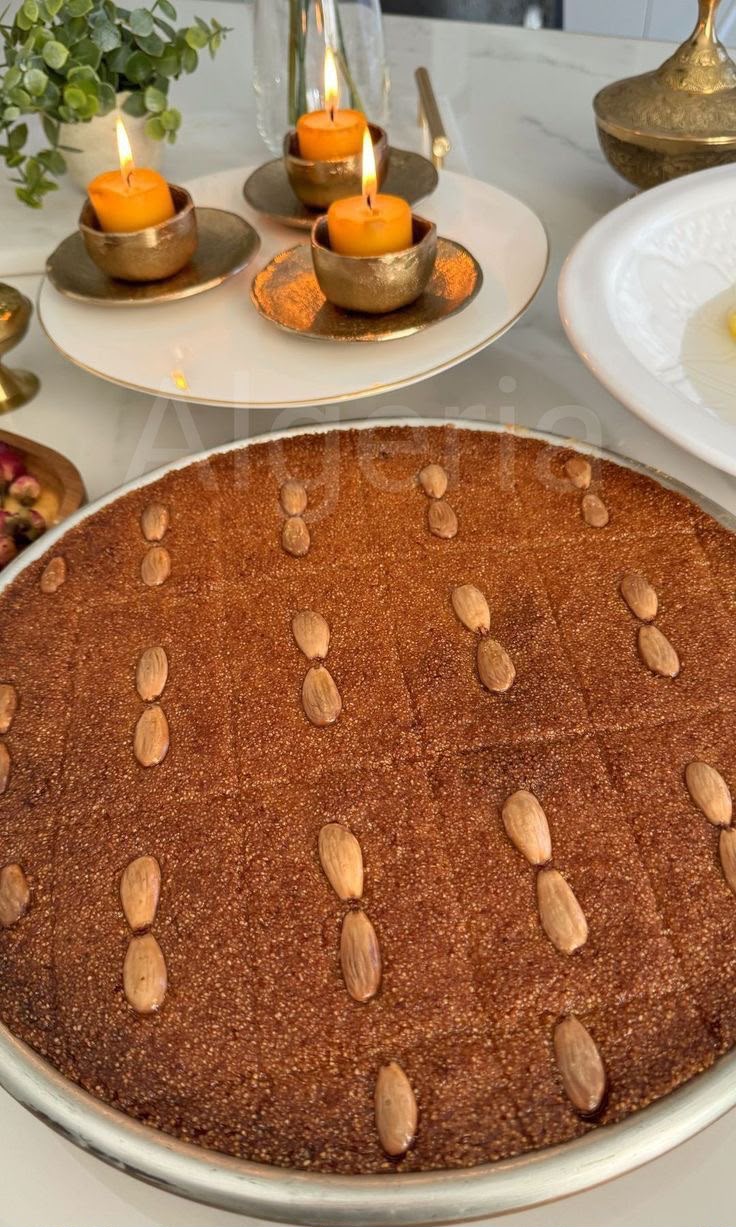
A semolina-and-almond cake soaked in orange-blossom syrup until dense and moist — its name means "heart of the almond", and it is the taste of Ramadan.
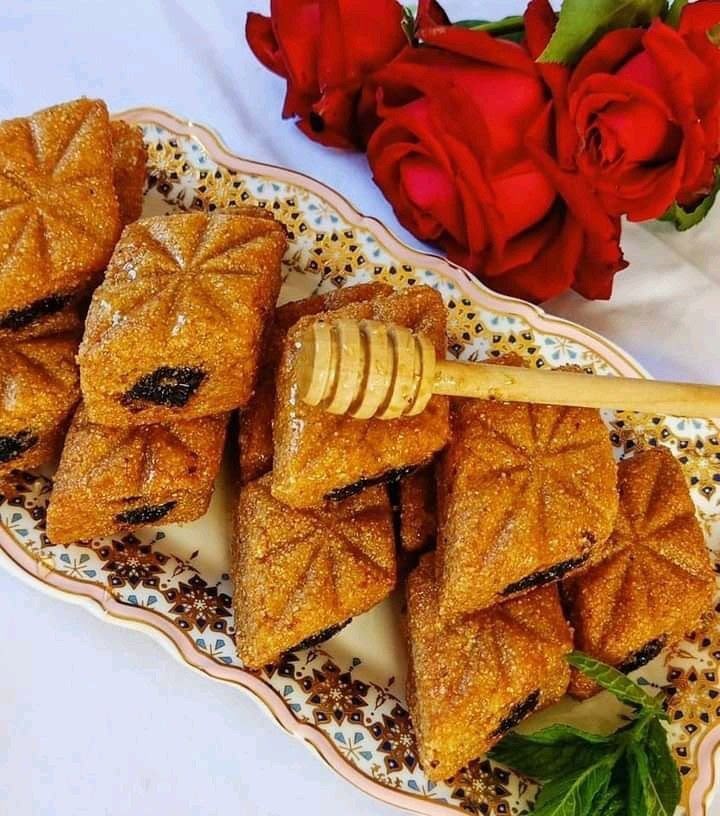
Crisp triangles or rolls of thin pastry filled with ground almonds, fried or baked and dipped in honey, then scattered with sesame or pistachio.
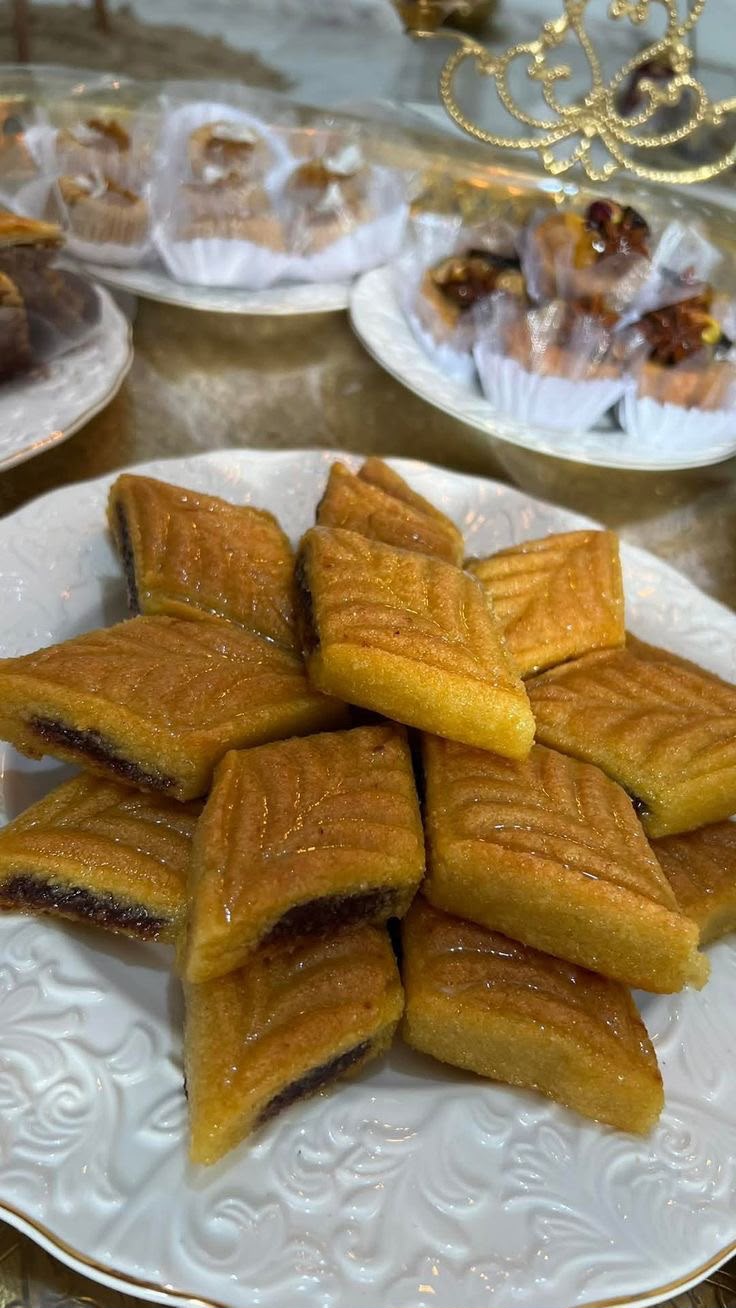
Ribbons of sesame dough folded into lattice roses, deep-fried golden and bathed in honey — crunchy, glossy and impossible to eat just one.
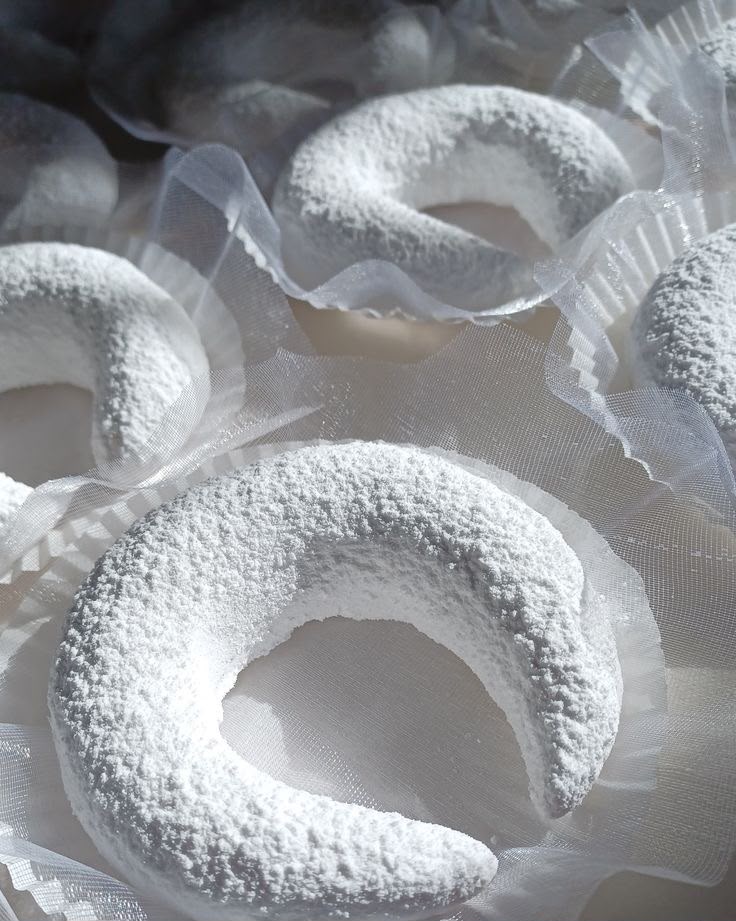
Slender crescents of soft pastry around orange-blossom almond paste — kaab el ghzal, "gazelle horns", the most elegant of the holiday cookies.
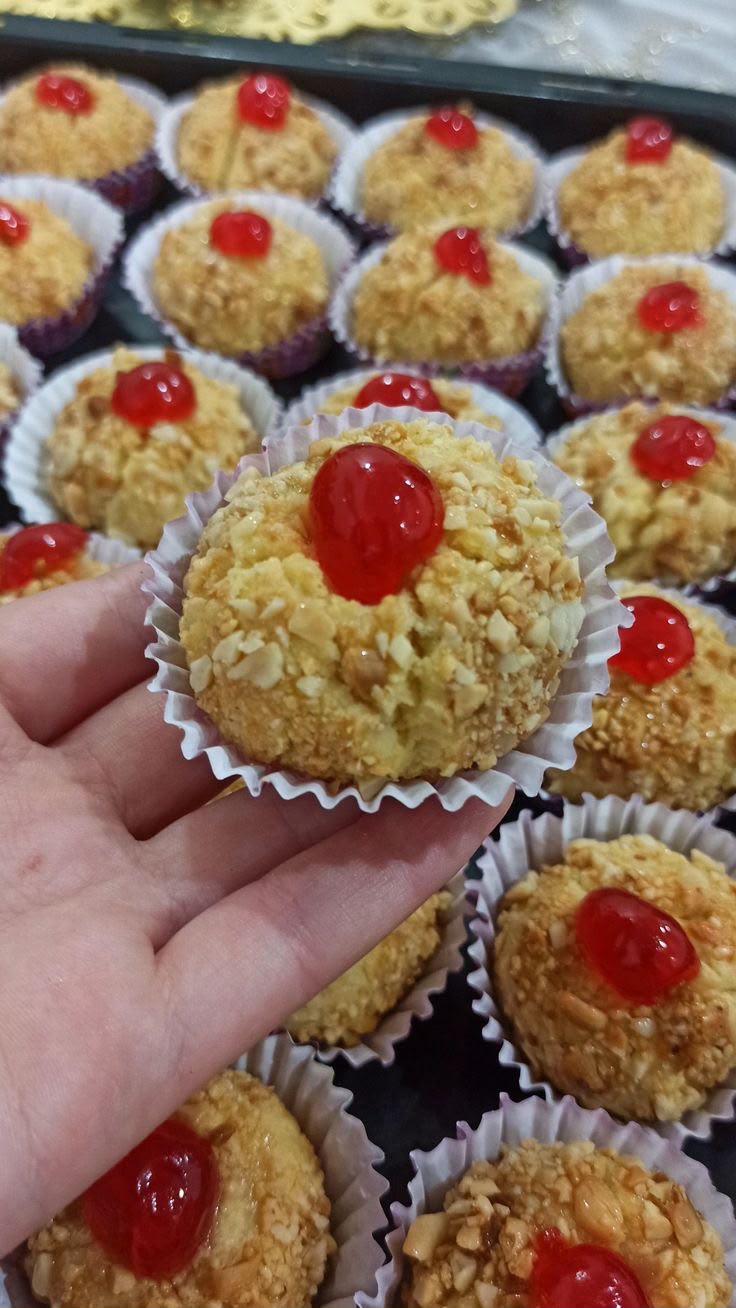
Dainty fluted tartlets of almond paste, delicate and pale — a refined sweet of Algiers brought out for weddings and grand occasions.
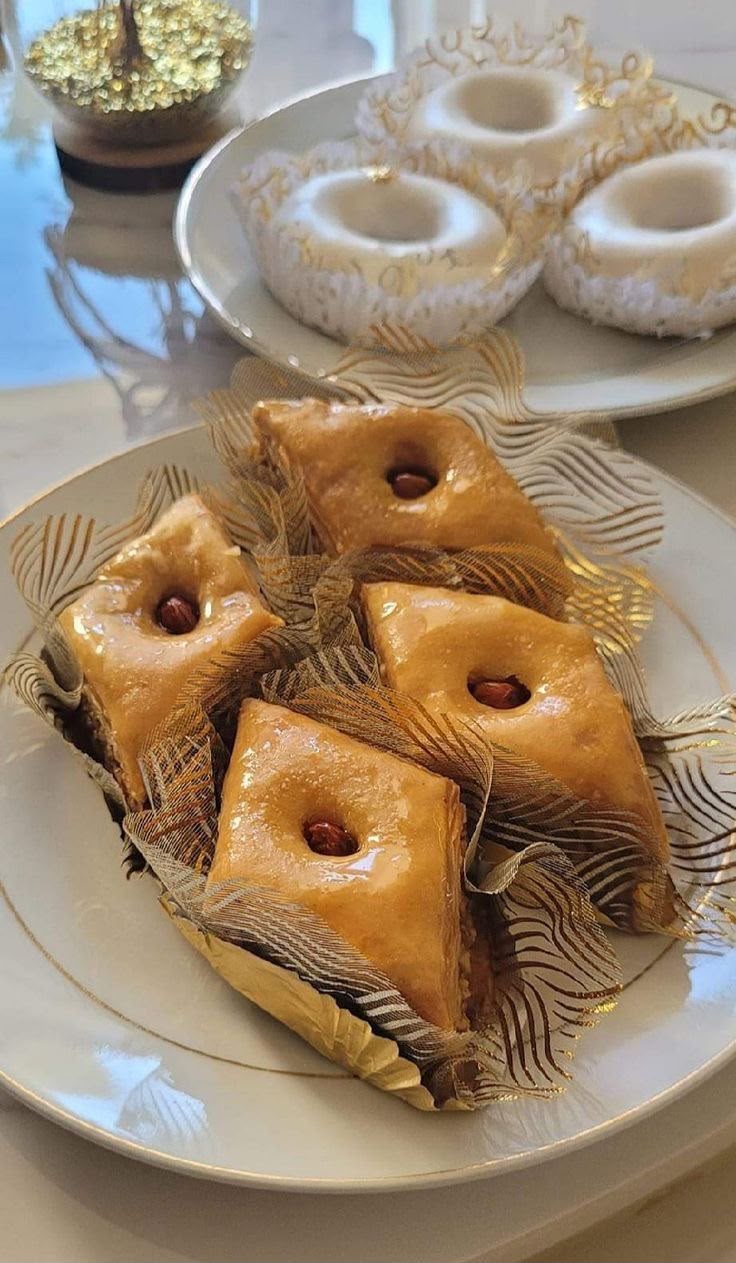
A shortbread of butter and flour (or chickpea flour) that dissolves on the tongue, lightly spiced — the simplest and most beloved cookie of Eid.
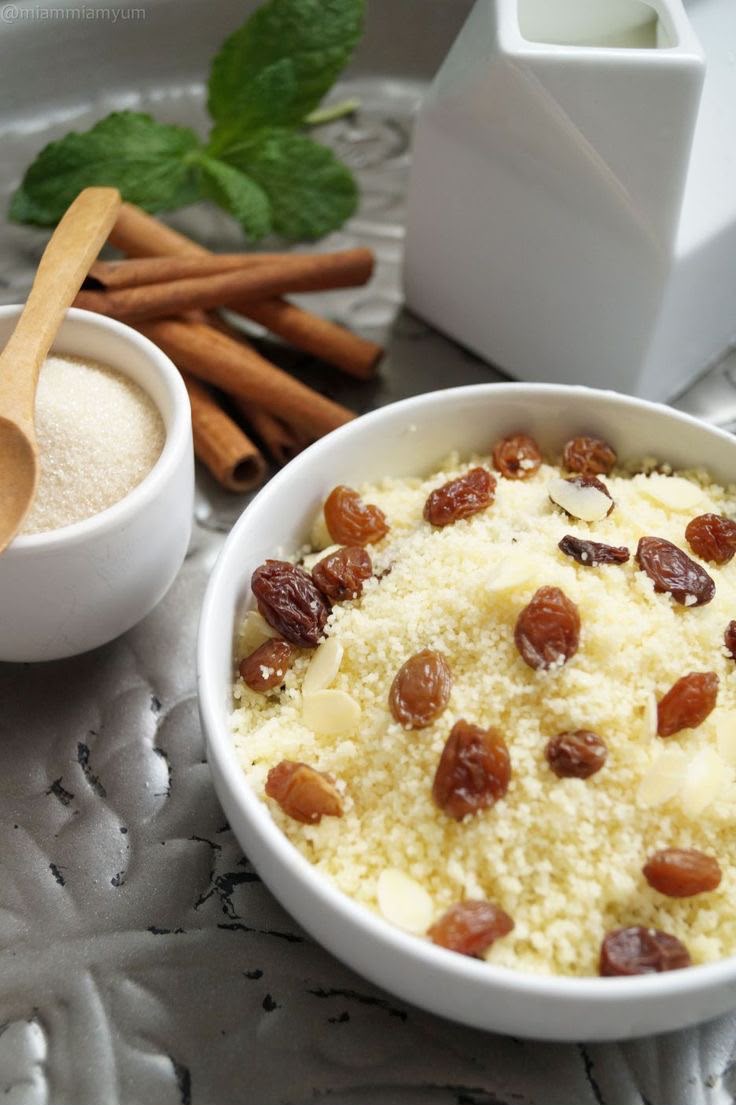
A cool rice-flour milk pudding perfumed with rose or orange-blossom water and dusted with cinnamon and crushed nuts — light, fragrant and refreshing.
Strong green tea with fresh mint and sugar, poured from a height to crown it with foam. In the desert it comes in three glasses — “bitter as life, sweet as love, gentle as death” — and is never to be rushed.
The honey-coloured Deglet Nour of the southern oases — Biskra, Tolga, the Gourara — is among the finest in the world. Dates open hospitality, close a meal and fuel every desert journey. (A dedicated photograph is being sourced.)
On our journeys the food is part of the route — a Bedouin dinner with music at Bou Saâda, a “Merdoum” feast under the stars in Timimoun, home cooking and market tastings across the north.
Two days at Bou Saada, the 'City of Happiness' — its waterfall and the historic Ferrero Mill, craft markets, a Bedouin dinner and the El Hamel shrine.
Five days in the red oasis country of Timimoun — its ksour and palm groves, the ancient foggara channels, great dunes and a night of desert camp dining.
Four days of capital culture, Roman coast and desert: the Casbah of Algiers, the ruins of Tipaza and Cherchell, and the oasis of Bou Saada.
Five days deep in the Algerian Sahara around Djanet — the red sandstone Tadrart, golden dunes, prehistoric rock art and nights under the stars.
Algeria Compass is a licensed Algerian tour operator. Tell us your dates and interests and we will craft your private, guided tour across Algeria.
Plan a journey →Answers come straight from our published pages — we do not guess.