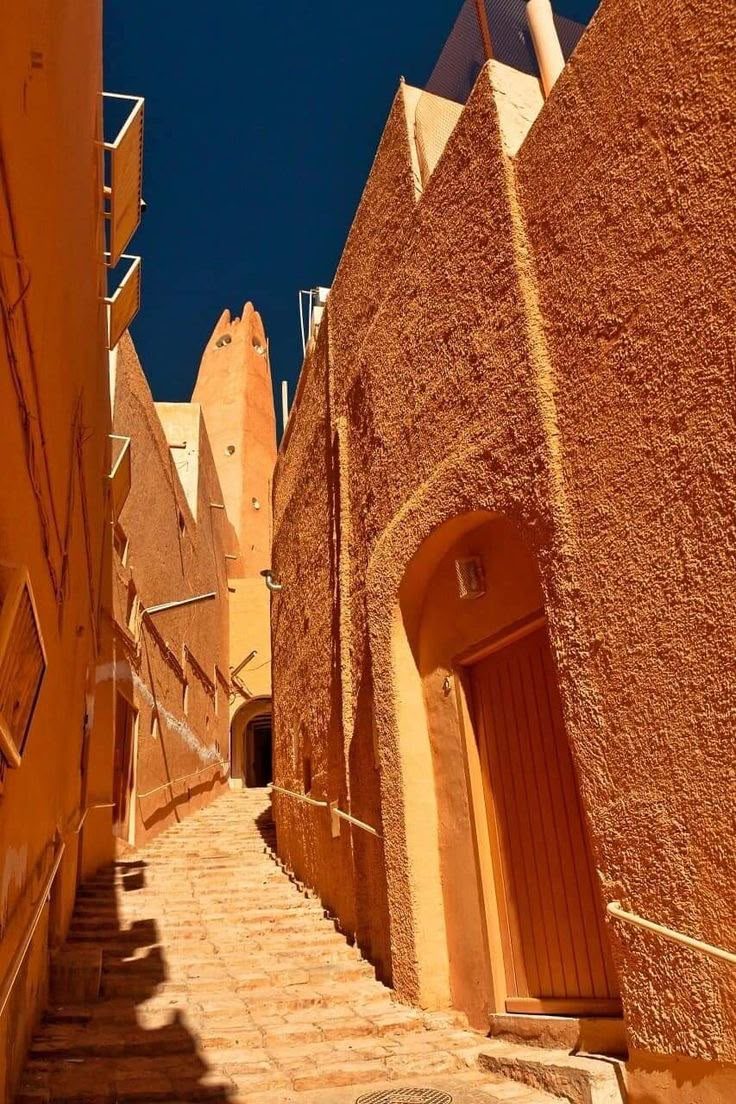
The largest country in Africa, spanning the Mediterranean coast, the Tell Atlas, the High Plateaus and the vast Sahara.
- Coordinates
- 28.034, 1.660
Be the reference on Algerian architecture.
Algeria Architecture is one of Algeria Compass's 16 content clusters: Mozabite, Roman, Andalusian, Ottoman and colonial building traditions. It connects 34 knowledge-graph entities with 10 page(s) and links to 13 related clusters.
The largest country in Africa, spanning the Mediterranean coast, the Tell Atlas, the High Plateaus and the vast Sahara.
UNESCO World Heritage Site (inscribed via list ref 188) in M'Zab, Algeria.
UNESCO World Heritage Site (inscribed via list ref 565) in Kasbah, Algeria.
The Mediterranean heartland around the capital — Algiers, the Mitidja plain and the central coast.
The Constantinois and Aurès: Constantine, Sétif, Annaba and the Roman north-east.
The west around Oran and Tlemcen, heartland of Algeria's Andalusian heritage.
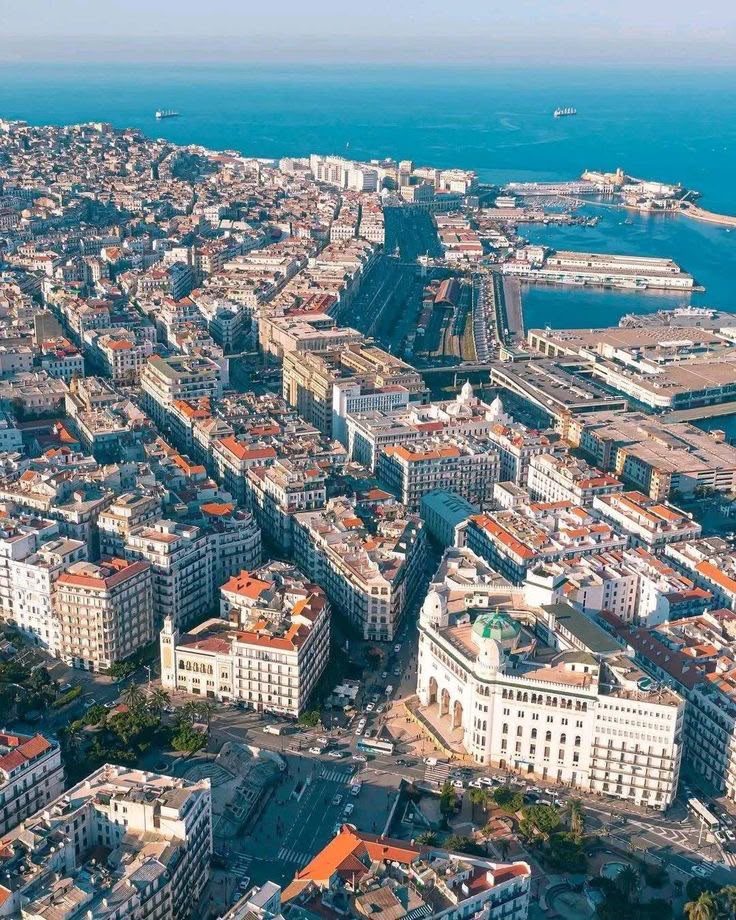
Algiers (El Djazaïr) is Algeria's capital and largest city — a Mediterranean port famous for its UNESCO-listed Ottoman Casbah, white tiered waterfront, French-colonial boulevards, the vast new Great Mosque of Algiers, and grand monuments like Notre-Dame d'Afrique and the Maqam Echahid. It's the country's main gateway and a city best explored on foot, with a guide for the Casbah.
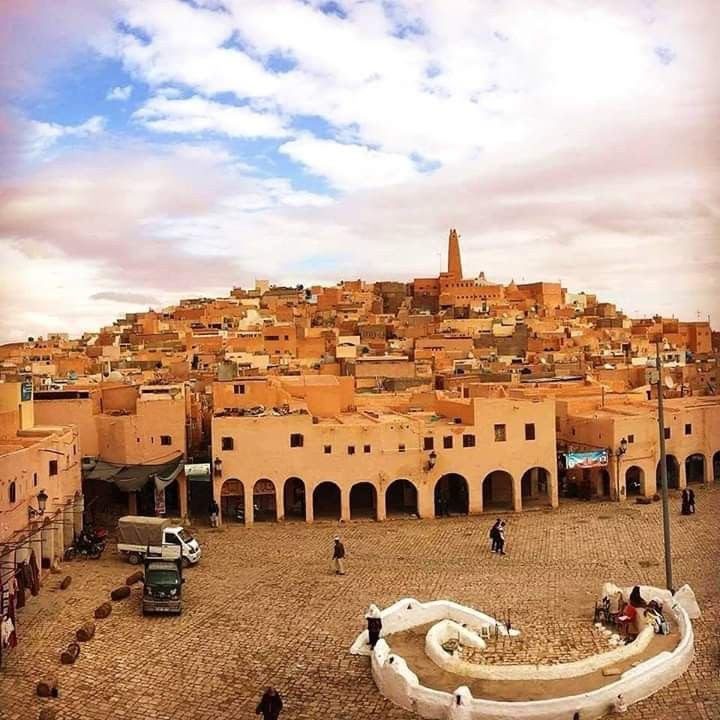
Ghardaïa is the gateway to the M'Zab Valley — a group of five fortified oasis towns built by the Ibadi Mozabites from around the 11th century and inscribed by UNESCO in 1982. Its tiered, pyramidal towns, palm groves and arcaded markets are among Algeria's most distinctive sights, and the M'Zab's radical, egalitarian urban design famously influenced 20th-century architects including Le Corbusier.
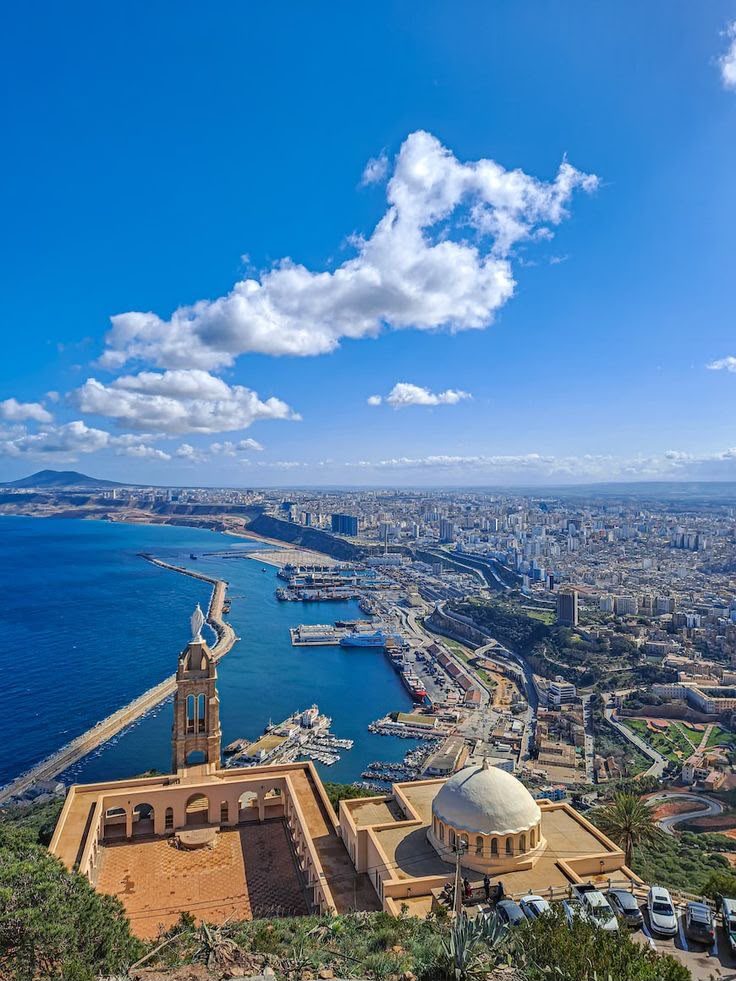
Oran is Algeria's vibrant second city — a Mediterranean port on the west coast with a strong Spanish and Andalusian imprint, the birthplace of raï music, the Spanish-built Santa Cruz fort above the bay, a lively seafront, and easy access to the Andalusian heritage of Tlemcen and the western beaches.
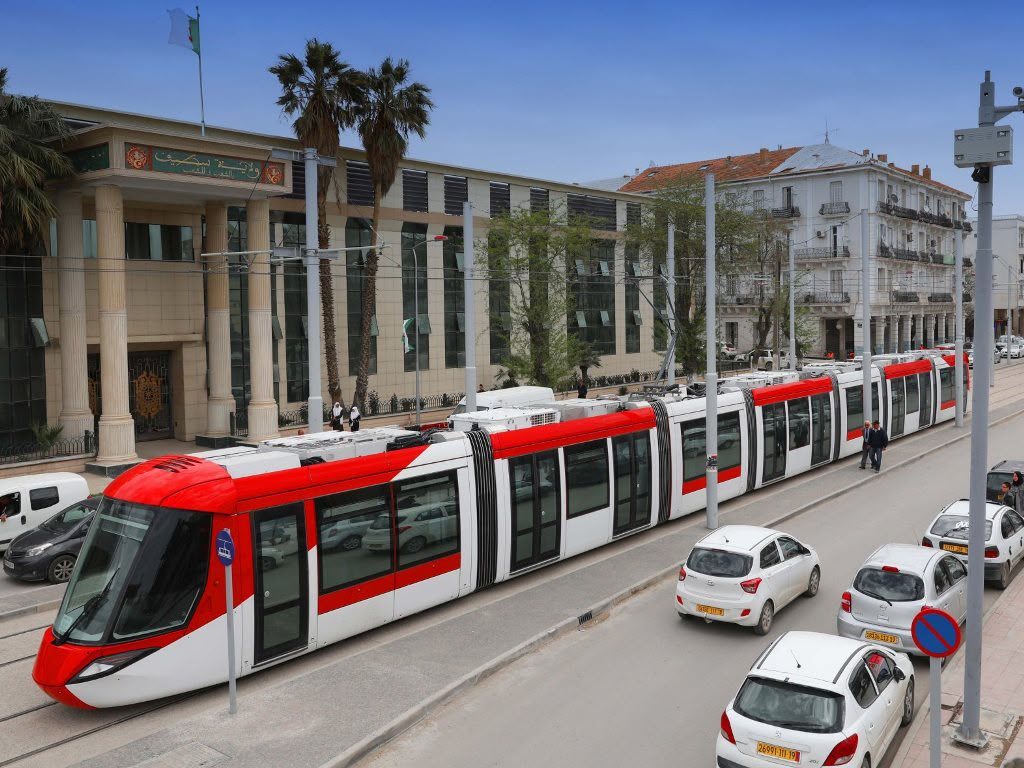
Sétif is a highland province in north-eastern Algeria, best known for Djémila — one of the world's best-preserved Roman cities and a UNESCO World Heritage Site since 1982. It sits at around 1,100 m on the High Plateaus, has a cool four-season climate, the cedar forests of Babor, the landmark Ain El Fouara fountain, and a defining place in Algeria's road to independence.
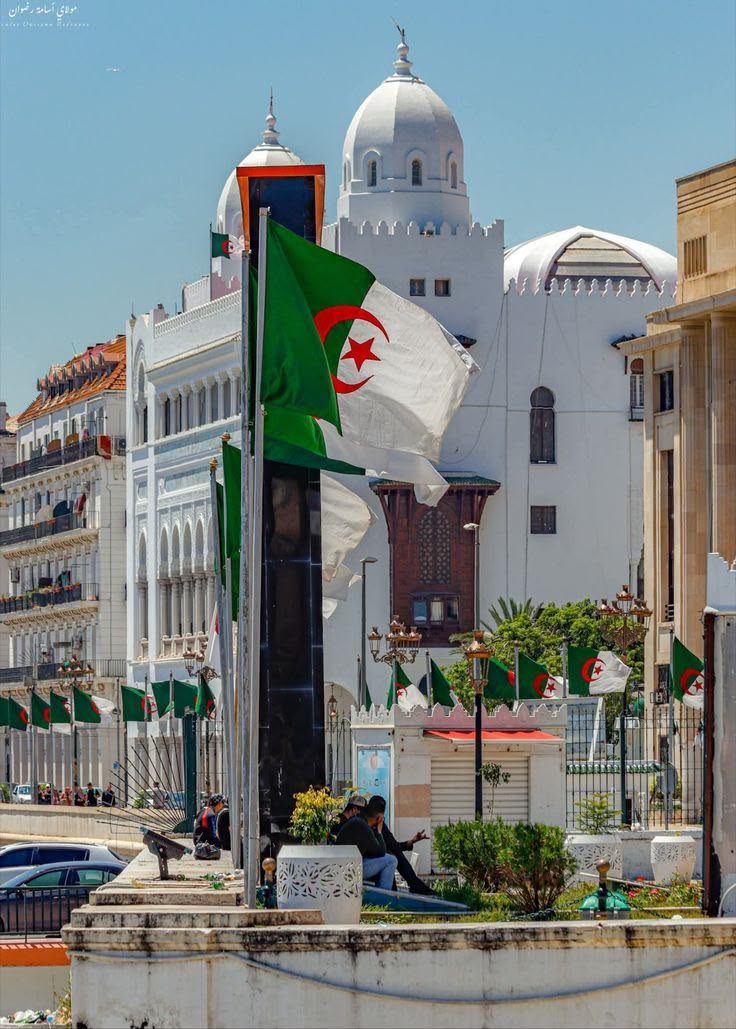
The Casbah of Algiers is the city's historic Ottoman citadel and old town — a steep maze of whitewashed houses, palaces, mosques and covered lanes overlooking the bay. A UNESCO World Heritage Site since 1992, it is best explored on foot with a local guide.
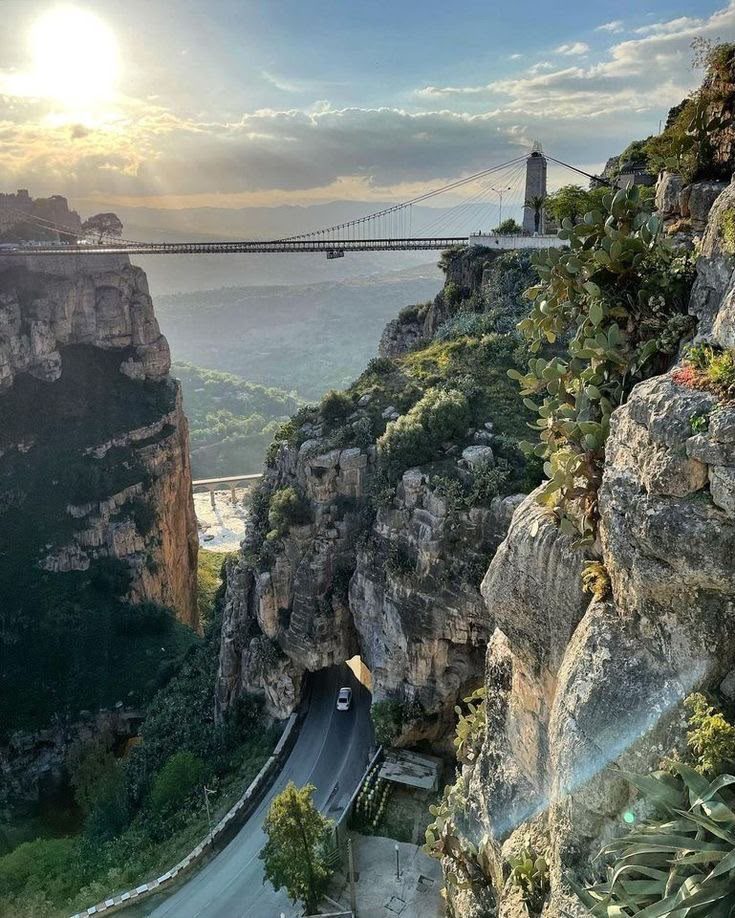
Constantine is the 'City of Bridges', a dramatic highland city in north-east Algeria built across a deep gorge above the Rhumel River and spanned by spectacular bridges. It is one of the oldest continuously inhabited cities on earth.
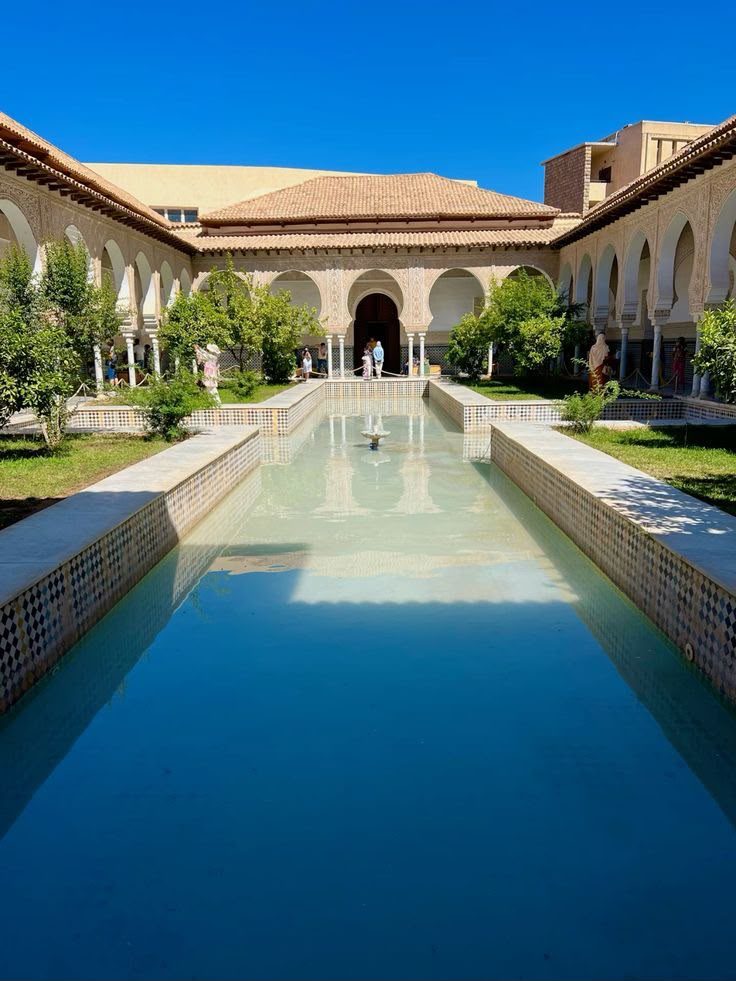
Tlemcen is a historic city in north-west Algeria, the country's great centre of Andalusian and Islamic heritage — famous for the Great Mosque, the ruins of Mansourah, and refined Hispano-Moorish art and music.
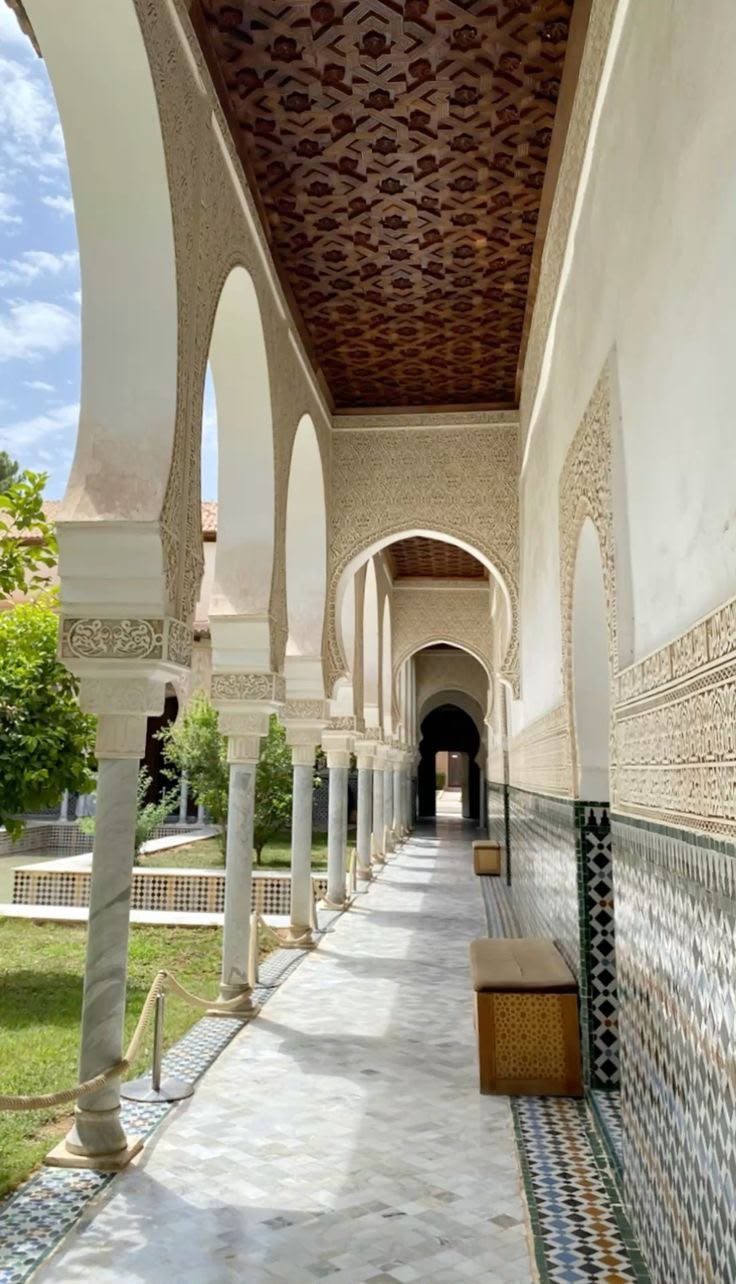
Five days through Algeria's Hispano-Moorish west — Tlemcen, Oran and the legacy of Muslim Spain.
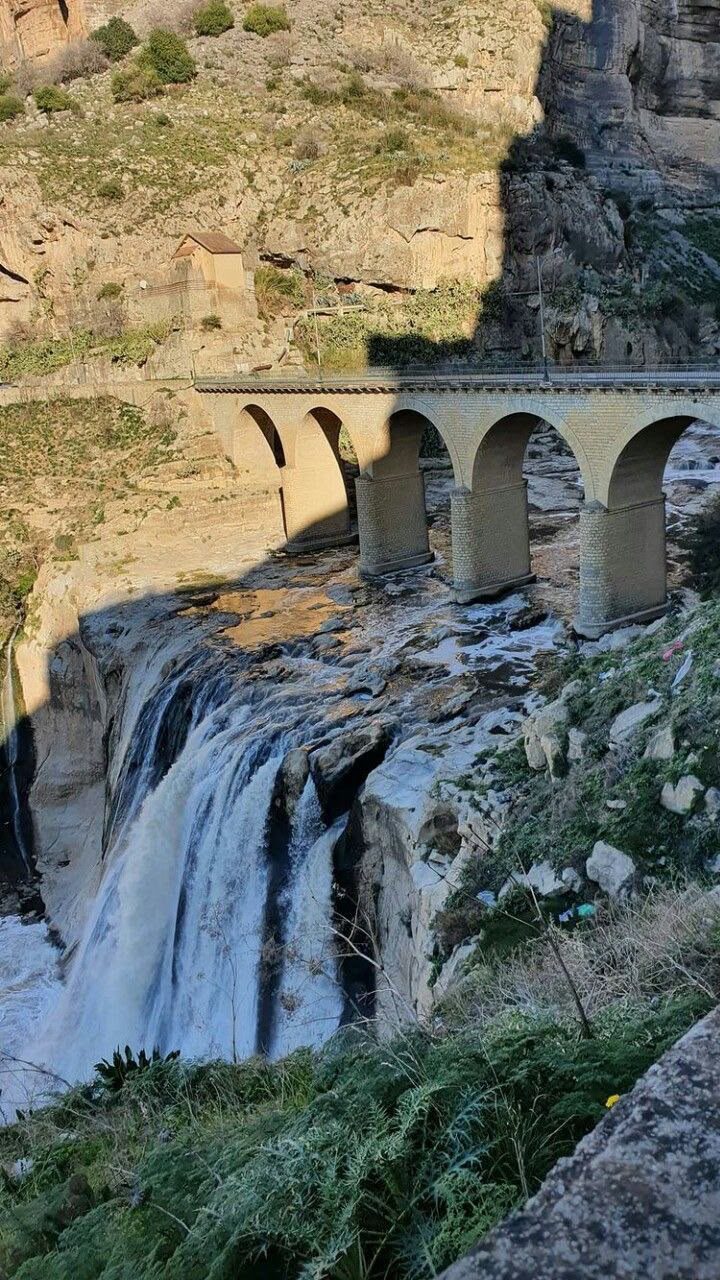
Four days through Algeria's dramatic north-east — Constantine's gorge, Ottoman palaces and Roman echoes.