The Complete Algeria Travel Guide (2026)
May 2026 · 24 min read
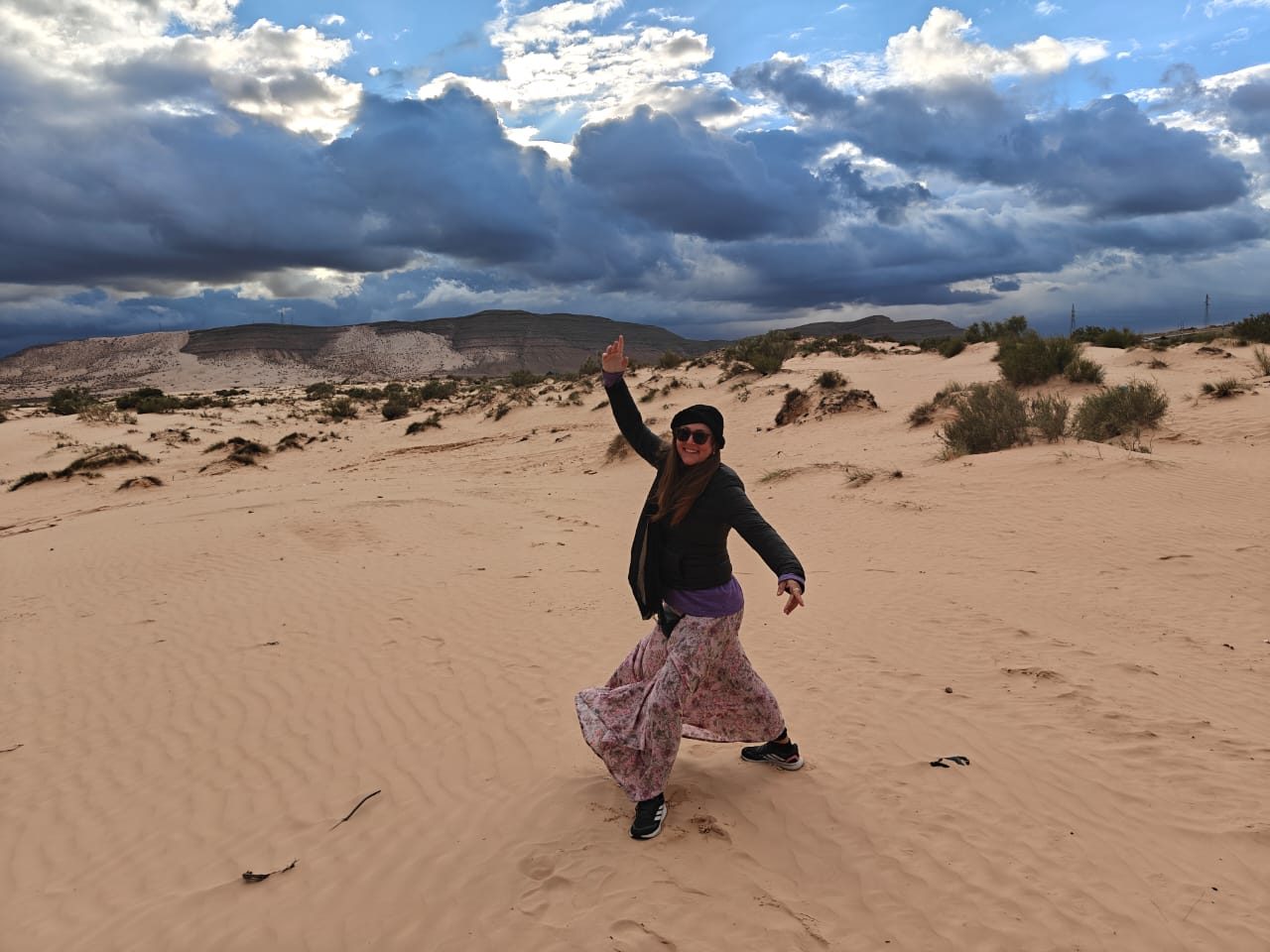
Algeria is Africa's largest country and one of its least-visited. Most travellers need a visa, the north is the easiest region to start in, and spring (March–May) and autumn (September–November) are the best all-round seasons; the Sahara is a winter destination. Allow 10–14 days to combine the Roman north, the coast and one desert region.
Algeria is the largest country in Africa and one of the least travelled in the Mediterranean world — a place where Roman cities stand almost alone, where the Sahara fills four-fifths of the map, and where mass tourism has never arrived. That combination is exactly why it rewards the traveller who prepares. This guide is the starting point: a sourced, practical overview that links out to our deeper travel-planning guides, our destination guides, and the specialist pillars on visas, safety, the best time to visit and transport.
Why visit Algeria
Algeria offers what much of the Mediterranean has lost: scale, authenticity and space. Its Roman cities — Timgad, Djémila and Tipasa — are among the best preserved anywhere, yet you may walk them nearly alone. Its desert is not a single dune field but a continent-sized world of sandstone massifs, painted rock art and oasis towns. Its cities layer Ottoman, Andalusian and French histories into living medinas. And because so few foreign visitors come, hospitality is genuine rather than transactional. This is a destination for travellers who value substance over polish.
Country overview
A republic on the southern Mediterranean, Algeria borders Tunisia and Libya to the east, Niger, Mali and Mauritania to the south, Western Sahara and Morocco to the west. Its population is concentrated in the northern coastal and highland strip, while the vast south is sparsely peopled. Arabic and Tamazight (Berber) are official languages; French remains widely used in administration, business and signage. The country is divided into 58 states — you can browse all of them in our state directory.
Geography
Three broad bands define the land. The Tell — a fertile coastal and mountainous strip along the Mediterranean — holds most cities and farmland. Behind it rise the High Plateaus and the Saharan Atlas, a semi-arid steppe. South of that begins the Sahara, roughly 80% of the country, ranging from great sand seas (the Grand Erg Oriental and Occidental) to the volcanic Hoggar massif and the rock-art plateau of the Tassili n’Ajjer near Djanet. Understanding these bands is the key to planning, because each has its own season and logistics.
Regions explained
For travel purposes it helps to think in regions rather than provinces:
- North-central — Algiers, the Mitidja and the central coast. The usual entry point, with the Casbah, museums and the coast at Tipasa.
- Eastern highlands — Sétif, Constantine and the Aurès, home to the Roman cities of Djémila and Timgad and the dramatic gorges of Constantine.
- The west (Oranie) — Oran and Tlemcen, heartland of Algeria’s Andalusian heritage.
- Kabylie — the Amazigh mountains and the Béjaïa–Jijel coast.
- Northern Sahara — the M’Zab valley around Ghardaïa, the Souf and the oases.
- The deep south — Tamanrasset, the Hoggar, and the Tassili around Djanet: expedition country.
Each region has a guide of its own — for example the Sahara and Roman Algeria — where you can see the connected sites, themes and history.
Climate
Algeria has three climates at once. The coast is Mediterranean: mild wet winters, hot dry summers. The highlands are continental, with cold, sometimes snowy winters and hot summers. The Sahara is arid and extreme — pleasant in winter, dangerously hot from late spring through summer. This is why there is no single “best time” for the whole country; there is a best time for each region, covered in depth in the best-time pillar.
Best time to visit
As a rule: spring (March–May) and autumn (September–November) are the best all-round windows, with warm days across the north and comfortable desert conditions at the shoulders. Winter (November–February) is the only sensible season for the deep Sahara, when days are clear and cool. Summer (June–August) suits the coast for swimming but is too hot for desert travel and uncomfortable inland. Festivals such as the Amazigh new year (Yennayer, January) and the Tuareg Sebeiba in Djanet add reasons to time a trip.
Visa overview
Most nationalities require a visa obtained in advance from an Algerian consulate; a small number are exempt, and organised desert tourism through the far south sometimes uses a simplified entry arranged by a licensed agency. Consulates frequently ask for proof of accommodation or an invitation/voucher from a registered Algerian travel agency. Because rules and any e-visa pilots change, treat this overview as orientation only and read the full Algeria visa guide, then confirm with the consulate that serves your country.
Safety overview
Algeria is calmer than its reputation suggests. The northern cities, the Roman east, the western heritage towns and the organised south are generally safe for ordinary travel, with petty crime the main concern in crowded areas. However, governments maintain warnings for some border zones and remote desert areas, and independent travel in the far south is restricted. Always read your government’s current advisory and our evidence-based safety pillar before planning routes.
Transportation overview
Distances are large, so plan transport deliberately. Domestic flights link Algiers, Oran and Constantine with Saharan towns such as Djanet and Tamanrasset. Trains (SNTF) and intercity buses connect the northern cities; shared taxis (louages) fill the gaps; and Algiers, Oran and Constantine have modern trams. In the desert, travel means a guided 4x4. The full breakdown — modes, routes, costs and booking — is in the transportation pillar.
Budget expectations
Algeria can be inexpensive for food, local transport and simple guesthouses, while comfortable hotels and guided desert expeditions cost considerably more. A complicating factor is the gap between the official exchange rate and the widely-used parallel rate, which affects how far your money goes day to day. Carry cash in dinars; bring some euros to change; and do not rely on cards outside major hotels.
Food overview
Algerian food is one of the trip’s pleasures: couscous (recognised by UNESCO as shared Maghreb heritage), hearty soups like chorba, slow tajines, Algiers’ rechta, the east’s chakhchoukha, street snacks such as mhadjeb, and a deep tradition of date pastries and sweet mint tea. Each region has its specialities — explore them in the Algerian food guide. Hospitality is central; accepting tea is part of the experience.
Culture overview
Algeria’s culture braids Amazigh (Berber) and Arab roots with Andalusian, Ottoman and Mediterranean layers. Music runs from the classical Andalusian traditions of Tlemcen and Constantine to raï, born in Oran. Crafts — carpets, silver, pottery — remain living traditions, strongest in Kabylie, the Aurès and the M’Zab. Visitors are warmly received; modest dress and a respectful manner, especially at religious sites and outside big cities, go a long way.
UNESCO overview
Algeria holds seven UNESCO World Heritage Sites: the Roman cities of Timgad, Djémila and Tipasa; the M’Zab valley; the Kasbah of Algiers; Al Qal’a of Beni Hammad; and Tassili n’Ajjer, listed for both its rock art and its landscapes. Together they are the spine of a heritage trip — see them connected in the UNESCO guide.
Suggested travel styles
- Heritage trip (north) — cities and Roman ruins, by train and car, any shoulder season.
- Desert expedition (south) — guided 4x4 in the Tassili or Tadrart, in winter.
- Coast and culture — Algiers, Tipasa and the Kabylie coast in late spring or early autumn.
- Slow overland — a longer loop linking the Roman east with a northern Sahara oasis run.
Suggested itineraries
One week (north): Algiers and the Casbah → Tipasa on the coast → east to Sétif for Djémila → Constantine and its gorges. Ten days (north + desert): add a flight south to Djanet for two or three days in the Tassili/Tadrart. Two weeks (deep): combine the Roman east, Algiers, the M’Zab valley around Ghardaïa, and a Tassili expedition. Build these around the seasons in the best-time guide.
First-time visitor advice
Come with patience and flexibility: tourism infrastructure is thin, schedules can shift, and a little French or Arabic transforms daily life. Carry cash, dress modestly, ask before photographing people, and accept invitations to tea. Arrange the desert through a reputable, licensed operator. Above all, narrow your ambitions — Algeria is too big and too rich to rush.
Common mistakes
The biggest planning errors are trying to see everything at once, underestimating the visa timeline, and treating the Sahara as a casual add-on. Read the blocks below, plan one or two regions well, and let the season decide your route.
Frequently asked questions
The questions below cover visas, safety, timing, budget and logistics. For anything time-sensitive — entry rules, advisories, prices — confirm against the official sources listed at the foot of this guide and our specialist pillars.
About these sources
This guide draws on UNESCO, Encyclopædia Britannica and current government travel advice; see the sourced list below. Our editorial standards, review process and corrections policy are published on the editorial pages.
| Item | Budget | Mid-range | High-end |
|---|---|---|---|
| Budget guesthouse / night | €17–35 | €45–75 | €100+ |
| Local meal | €3–5 | €7–13 | €20+ |
| Intercity travel (per leg) | €4–17 | €20–50 | domestic flight €50–110 |
| Guided desert day | — | €70–130 | €170+ |
Indicative ranges only; Algeria has an official and a widely-used parallel exchange rate, so on-the-ground costs vary. Confirm current rates before you travel.
Who it suits
- ●●●History & ruins travellersSome of the world's best-preserved Roman cities, with few crowds.
- ●●●Desert & adventure travellersTassili and the Tadrart are world-class, guided expeditions.
- ●○○Independent backpackersPossible in the north; the south needs guides and permits.
- ●●○FamiliesCoast, accessible Roman sites and oasis towns work well.
- ●●○First-time Africa travellersRewarding but light on tourism infrastructure; plan ahead.
Common mistakes
- Trying to see the whole country in one tripPick one or two regions and travel them well.
- Leaving the visa to the last minuteStart weeks ahead; some consulates want a hotel or agency voucher.
- Planning the Sahara in summerVisit the deep desert November–February only.
- Assuming you can wing the deep south independentlyUse a licensed guide and 4x4; permits and logistics are required.
- Relying on cards everywhereCarry cash; card acceptance is limited outside big hotels.
- Expecting widespread EnglishLearn a few French or Arabic phrases; it transforms the trip.
| Best for | Best season | Getting around | |
|---|---|---|---|
| North-central (Algiers, coast) | Cities, Roman coast, food | Spring/autumn | Train, bus, taxi |
| Eastern highlands (Sétif, Constantine) | Roman cities, gorges | Spring/autumn | Train, car |
| West (Oran, Tlemcen) | Andalusian heritage, coast | Spring–autumn | Train, car |
| Northern Sahara (M'Zab, oases) | Oasis towns, architecture | Oct–Apr | Flight + 4x4 |
| Deep south (Tassili, Hoggar) | Desert expeditions, rock art | Nov–Feb | Flight + guided 4x4 |
Key facts
| Capital | Algiers |
| Size | 2.38 million km² (largest in Africa) |
| States | 58 |
| UNESCO sites | 7 |
| Languages | Arabic & Tamazight (official); French widely used |
| Currency | Algerian dinar (DZD) |
Sources
Key facts on this page are checked against the following sources. See our Sources Policy and Fact-Checking Policy.
- Algeria — Encyclopædia Britannica · Reference work
- Algeria — World Heritage — UNESCO World Heritage Centre · UNESCO World Heritage Centre
- Algeria Travel Advisory — U.S. Department of State · Government source
- Foreign travel advice: Algeria — UK FCDO · Government source
- Ministry of Foreign Affairs — Republic of Algeria · Government source


