Algeria Visa Guide (2026): Types, Documents, Process
May 2026 · 18 min read
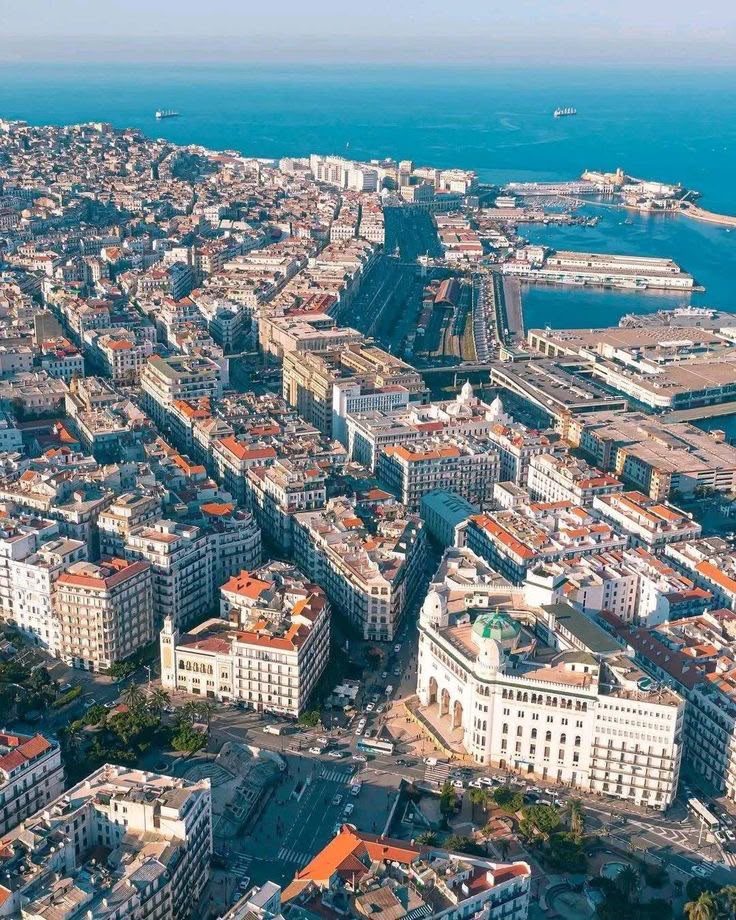
Most travellers need a visa for Algeria, applied for in advance at the Algerian consulate that serves their country of residence. The usual tourist application needs a passport, form, photos, proof of accommodation or an invitation/voucher from a licensed Algerian agency, a return ticket and proof of funds. Organised tours that include the Sahara can use a visa on arrival at Algiers airport, arranged by the agency. Rules change — always confirm with the consulate.
A visa is the first practical hurdle of an Algerian trip, and the single most common reason people delay or abandon a plan. It need not be difficult — but it does need to be done in advance, with a complete file, at the right consulate. This guide explains how the system works and links into our wider travel-planning guides and the complete travel guide. Because entry rules change, treat everything here as orientation and confirm the details with the consulate that serves you. For a quick answer, see Do I need a visa for Algeria?
Who needs a visa
The large majority of travellers need a visa to enter Algeria, arranged before arrival. A limited number of nationalities are exempt or enjoy special arrangements, and these lists change, so the only safe approach is to check your specific status with the Algerian consulate responsible for your country of residence. Do not assume that because a neighbour or friend of another nationality entered easily, the same applies to you.
Visa types
Most visitors apply for a tourist visa. Other categories include business visas (requiring a company invitation), transit visas for certain connections, and student/work categories outside the scope of a travel guide. A distinct, important case is the organised desert tour to the far south, where a licensed Algerian agency can arrange a simplified entry for a group travelling to Djanet or Tamanrasset — see the Sahara region guide for where that applies. The comparison table on this page summarises the main types.
Eligibility
Eligibility is determined by nationality and country of residence. You apply through the consulate whose jurisdiction covers where you live, which is not always the consulate of your home country. Applicants generally need to show a clear purpose of travel, a place to stay, the means to support themselves, and an intention to leave at the end of the visit. Meeting these plainly and consistently is what makes an application straightforward.
Application process
The standard process is: (1) identify the correct consulate; (2) download and complete its application form; (3) assemble the supporting documents; (4) submit in person or by the consulate’s stated method, with the fee; and (5) collect the passport once the visa is issued. Some consulates use appointment systems or external visa centres. Build in time — applications are not instant, and peak seasons are slower.
Required documents
The checklist on this page lists the usual documents: a passport valid for at least six months with blank pages, a completed and signed form, recent photographs to the consulate’s specification, proof of accommodation (a hotel booking) or an invitation/voucher from a registered Algerian travel agency, a return or onward ticket, and proof of sufficient funds such as a recent bank statement. Business and family visits add an invitation letter. Travel insurance is frequently requested. Always cross-check against your consulate’s own published list.
Fees
Visa fees vary by nationality, visa type and consulate, and they change over time. For that reason we deliberately do not publish a single figure here — quoting a stale number is worse than none. Confirm the current fee directly with your consulate, and budget for any external service-centre charges where those are used.
Processing times
Processing commonly ranges from a few working days to several weeks, depending on the consulate, the season and whether additional checks are needed. Apply well ahead of your intended departure, and avoid booking non-refundable travel until the visa is in hand.
Visa-on-arrival situations
Independent visa-on-arrival is generally not available for ordinary tourism. The principal exception is an organised tour that includes the Sahara: a licensed agency files your details in advance and the visa is issued on arrival at Algiers airport. Any electronic-visa pilots that appear should be verified against the official Ministry of Foreign Affairs and your consulate before you rely on them.
Special regions
Travel in parts of the deep south and along certain borders is subject to permits and security procedures, normally handled by your tour operator. This is one reason desert travel is organised through licensed agencies rather than undertaken independently — see the safety guide for the regional picture.
Common rejections
Most refusals are administrative rather than personal: an incomplete file, missing accommodation proof, insufficient demonstrated funds, an inconsistent itinerary, or applying at the wrong consulate. The remedy is simple diligence — follow the checklist exactly, keep your story consistent, and submit early enough to fix any gaps.
Embassy guidance
Your consulate is the authority, not a travel blog. Use its official website for the current form, document list, fee and submission method, and keep copies of everything you submit. If anything here differs from what your consulate states, the consulate is correct.
Special regions and the far-south permit
Algeria’s interior security model is the reason desert tourism is organised rather than independent. Travel deep into the Sahara — the Tassili n’Ajjer around Djanet, the Hoggar around Tamanrasset, and the border-adjacent expanses — typically involves movement permits and the use of accredited local guides, arranged by your agency rather than by you. For the traveller this is mostly invisible: the operator files the paperwork, assigns the guide, and plans the route within permitted areas. The practical takeaway is that you choose your dates and your agency, and the agency choreographs the permissions. If a guide or “fixer” offers to take you into restricted zones without this structure, decline; the rules exist for genuine safety reasons set out in our safety guide.
Minors, dual nationals and residents
Families travelling with children should expect to provide each minor’s passport and photographs, and sometimes a copy of a birth certificate or parental authorisation where only one parent travels; consulates vary, so ask. Dual nationals of Algerian origin are a special case: Algeria may treat a person of Algerian descent as a citizen, which can change documentation and, for some men, national-service considerations — anyone in this situation should clarify their status with the consulate well in advance rather than travelling on assumptions. Legal residents of a third country apply at the Algerian consulate covering that country and should bring proof of their residence status alongside the standard file.
Overstays, extensions and registration
A visa defines how long you may stay; overstaying is taken seriously and can mean fines or complications on departure, so plan your exit within the permitted period. Extensions are handled domestically through the relevant authorities and are not guaranteed, so treat the visa’s validity as your real ceiling. Some visitors staying longer or in particular circumstances may encounter local registration expectations; your hotel or host usually knows the current practice. As with everything on this page, the consulate’s and local authorities’ current rules override anything written here.
Working with a licensed agency
For most non-exempt travellers, the smoothest path — and for the desert, the necessary one — is to work with a registered Algerian travel agency. A reputable agency issues the invitation or voucher many consulates require, confirms accommodation, and, for the south, handles permits and guides. When choosing one, look for a clear physical presence in Algeria, verifiable contact details, transparent written terms, and no pressure for unusual payment methods. The agency relationship is also your safety net on the ground if plans change. Our transparency and standards pages explain how we think about commercial relationships in travel.
A smooth-application checklist
Experience suggests a few habits prevent almost all problems: confirm the correct consulate and read its own checklist first; assemble documents in the order the form lists them; make your stated dates, bookings and funds consistent with one another; keep photocopies and digital scans of everything; apply several weeks early; and avoid booking non-refundable flights until the visa is issued. A calm, complete, consistent file is approved far more often than a rushed one.
After you arrive
Keep your passport and visa accessible but secure, and carry a photocopy separately. Note that some hotels register guests with local authorities as a matter of routine. Keep your return documentation and any agency contacts to hand, and respect the terms of your visa — its purpose, its validity and any regional permits. With the paperwork behind you, the rest of the country, from the Roman east to the Sahara, is open.
Frequently asked questions
The questions below cover the points travellers ask most. For current entry rules and fees, rely on the official sources listed at the foot of this guide, and see our editorial standards for how we research and update practical pages like this one.
About these sources
This guide is based on the Algerian Ministry of Foreign Affairs and current US and UK government entry-requirement advice, with country background from Britannica.
| Item | Budget | Mid-range | High-end |
|---|---|---|---|
| Tourist visa fee | Varies by nationality | Set by consulate | Confirm officially |
| Agency invitation/voucher | Included in some tours | Agency-dependent | — |
Visa fees differ by nationality and consulate and change over time; we do not list specific figures to avoid quoting stale numbers. Confirm the current fee with your consulate.
Requirements
- PassportValid 6+ months, with blank pages
- Application formCompleted, signed
- PhotosRecent passport photos (per consulate spec)
- Accommodation / voucherHotel booking or licensed-agency invitation
- Return travelRound-trip booking
- Proof of fundsRecent bank statement
- Travel insuranceOften requested
- Invitation letterFor business/family visits
This is a general checklist; each consulate publishes its own exact list. Always follow the official requirements for the consulate that serves you.
Common mistakes
- Applying at the wrong consulateApply where you legally reside, not just your home country.
- Submitting without accommodation proofInclude a hotel booking or a licensed-agency voucher.
- Leaving too little timeApply several weeks ahead of travel.
- Assuming visa on arrivalArrange the visa in advance unless your organised tour includes the Sahara.
- Incomplete or unsigned formsFollow the consulate checklist item by item.
| Purpose | Typical validity | Notes | |
|---|---|---|---|
| Tourist visa | Single/short stay | Most visitors; needs accommodation/voucher | |
| Business visa | Short/multiple | Needs a company invitation | |
| Transit visa | A few days | For connections, where required | |
| Visa on arrival (Sahara tours) | Tour duration | Issued at Algiers airport, via a licensed Algerian agency |
Key facts
| Who needs one | Most nationalities (a few exempt) |
| Where to apply | Algerian consulate serving your residence |
| Typical processing | A few days to several weeks |
| Common requirement | Hotel booking or agency invitation/voucher |
| Passport validity | Usually 6 months beyond travel |
Sources
Key facts on this page are checked against the following sources. See our Sources Policy and Fact-Checking Policy.
- Ministry of Foreign Affairs — Republic of Algeria · Government source
- Algeria Travel Advisory — Entry/Exit — U.S. Department of State · Government source
- Foreign travel advice: Algeria — Entry requirements — UK FCDO · Government source
- Algeria — Encyclopædia Britannica · Reference work


