Getting Around Algeria: The Complete Transportation Guide
May 2026 · 17 min read
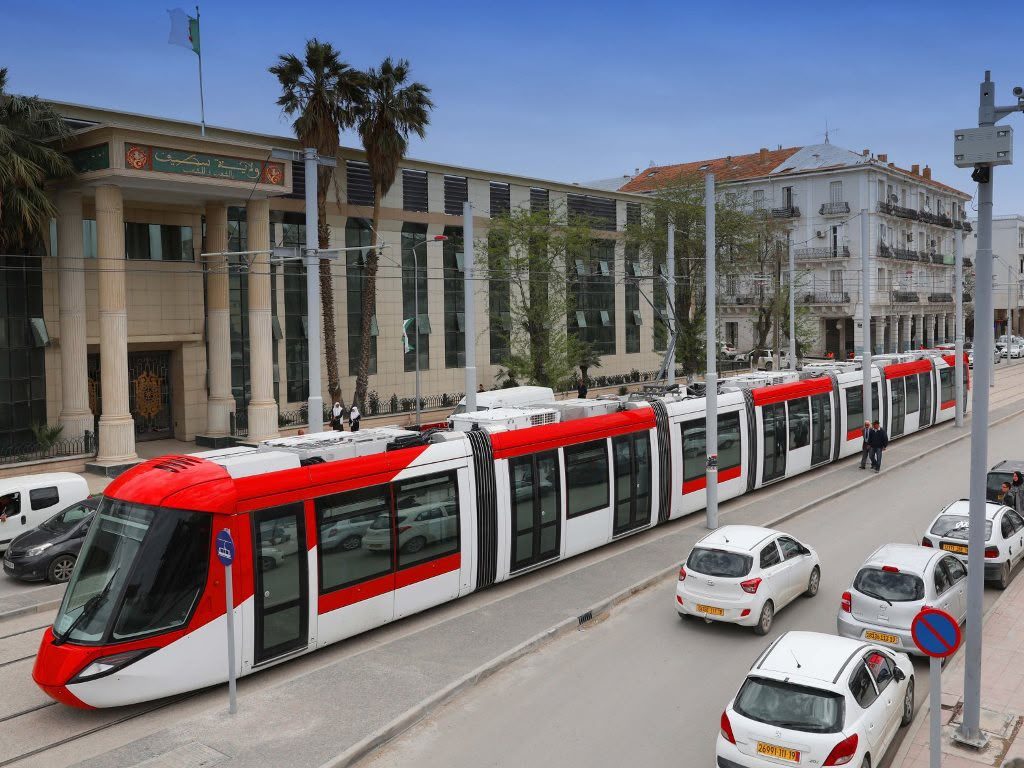
Use domestic flights to cross Algeria's long distances, especially to the Sahara (Djanet, Tamanrasset); trains and intercity buses connect the northern cities; shared taxis (louages) fill the gaps; and Algiers, Oran and Constantine have modern trams. The deep desert is travelled only by guided 4x4. Carry cash and allow generous time.
Algeria is the largest country in Africa, and the single biggest mistake travellers make is treating it like a small one. Crossing from the Mediterranean to the deep Sahara is a continental journey, not a day trip, and choosing the right mode for each leg is the difference between a smooth itinerary and days lost on the road. This guide breaks down every option and connects to the wider travel-planning guides, the regional route guides and the complete travel guide. For the quick version, see How do you get around in Algeria?
Domestic flights
For the long legs — and above all for reaching the Sahara — flying is the sensible choice. Air Algérie, with other carriers, links Algiers, Oran and Constantine to one another and to southern gateways such as Djanet, Tamanrasset and Ghardaïa. A flight turns a punishing multi-day overland slog into a couple of hours. Southern routes run on limited frequencies and fill up around festivals and holidays, so book well ahead and keep your schedule flexible around them. Flights are the priciest common transport in Algeria but, for the south, they are effectively essential.
Railways
The national operator, SNTF, runs intercity trains across the populated north, linking Algiers with cities such as Oran, Constantine, Annaba and Sétif, plus suburban lines around the capital. Main-line trains are comfortable and scenic in parts, and a relaxed way to cover the north without driving. Services are fewer than in Europe, so check timetables in advance and treat the train as a pleasant backbone for northern travel rather than an on-demand option.
Buses
Intercity buses are the workhorse of Algerian travel: an extensive network, low fares, and connections to towns the train does not reach. Comfort varies by operator and route, and departures are frequent on busy corridors. For budget-conscious travel across the north, buses are hard to beat; bring cash, arrive early on popular routes, and keep valuables close in crowded stations.
Shared taxis (louages)
Where buses and trains thin out, the louage takes over. These shared taxis run fixed routes between towns, leave when full rather than to a timetable, and are paid in cash. They are quick to fill on popular routes and a genuinely useful way to bridge gaps, at the cost of some predictability. Agree the fare or confirm the fixed rate before setting off, and expect a full vehicle.
Private drivers
Many visitors, especially those short on time or wary of driving, hire a private driver for a day or a whole itinerary. A good driver removes navigation, parking, language and checkpoint friction, and local knowledge often turns travel time into part of the experience. It costs more than public transport but far less than in Europe, and for families or heritage circuits in the north it is frequently the most efficient choice.
Car rental
Car hire is available in the cities and at airports and suits independent travel in the north, where main roads are good and distances between sights are manageable. Bring the required documents, understand the insurance, and plan fuel stops on longer routes. For the desert, though, self-driving is the wrong tool: the south calls for a licensed operator with a properly equipped 4x4, not a rental saloon.
Road conditions
Algeria’s main highways, including the great east–west motorway, are generally good, and the network is extensive. The hazards are behavioural and environmental rather than structural: assertive driving, pedestrians and animals, variable lighting, and long empty stretches in the interior. The firm rule for visitors is to avoid rural roads after dark, when risk rises sharply — a point echoed by government safety advice. Routine police and gendarmerie checkpoints are normal; keep documents accessible and be patient.
Desert logistics
The Sahara has its own transport logic, and it is not negotiable: you reach a southern town by air or long overland haul, then travel by guided 4x4 within permitted areas. Licensed operators provide the vehicles, experienced drivers and guides, fuel, water and communications, and they handle the permits that desert travel requires. This is covered in the Sahara region guide; the takeaway here is simply that desert movement is organised, expedition-style travel, not something to improvise.
Airport guide
Algiers’ Houari Boumediene Airport is the main international gateway, with Oran and Constantine also handling international and domestic traffic, and a network of regional and Saharan airports beyond. Allow time for procedures, carry the address of your accommodation written in French or Arabic, and pre-arrange an airport transfer or know the official taxi options, as arrivals areas can be busy and English limited.
Intercity travel and travel times
Think in regions. Within the north, trains, buses and louages connect cities in a few hours each; a driver can string several sights together in a day. Between the north and the south, plan to fly — overland desert crossings are long, demanding and, in places, restricted. Always pad connections: schedules can slip, and the country’s scale punishes tight planning.
Costs and booking advice
Costs are modest by international standards: city tram and metro rides cost under €1, intercity buses and trains are inexpensive, and domestic flights are the main expense — see the cost table on this page for indicative ranges. Carry cash, as many fares and louages are cash-only and card acceptance is patchy. Book flights ahead, especially to the south; for trains and buses, buy in advance on busy routes; and let a reputable operator handle desert logistics. Remember that the gap between the official and parallel exchange rate shifts what everything really costs.
Tickets, apps and practicalities
Buy domestic flights through the airline’s own channels and aim to ticket well before travel; for trains, the SNTF network and main stations sell intercity seats, while buses and louages are bought at the station, usually in cash. English-language online booking is limited, so a hotel, a local contact or your operator can save time. Keep small notes for short fares, screenshot your bookings in case of patchy data, and confirm the first departure of any onward connection the day before.
Frequently asked questions
The questions below cover how travellers actually move around Algeria. For live schedules and fares, use the operators’ own channels listed below, and see our editorial standards for how we keep transport pages current.
About these sources
This guide draws on Air Algérie and SNTF for services, UK government advice for road safety, and Britannica for country background.
| Item | Budget | Mid-range | High-end |
|---|---|---|---|
| City tram/metro ride | Under €1 | — | — |
| Intercity bus (per leg) | €4–13 | — | — |
| Train (northern intercity) | €7–25 | — | — |
| Domestic flight | €50–110 | — | varies by season |
| Private driver (day) | — | €50–100 | €130+ with 4x4 |
Indicative only; fares vary and the official/parallel exchange rate affects costs. Confirm current prices when booking.
Common mistakes
- Underestimating distancesFly the long legs instead of long overland days.
- Relying on cards for ticketsCarry cash; many fares are cash-only.
- Self-driving into the desertUse a licensed operator with 4x4 and permits.
- Driving rural roads at nightTravel in daylight; hazards rise sharply after dark.
- Tight connectionsBuild buffer time; schedules can slip.
| Best for | Speed | Notes | |
|---|---|---|---|
| Domestic flight | Long distances, the south | Fastest | Book ahead; limited southern frequencies |
| Train (SNTF) | Northern city-to-city | Moderate | Comfortable on main lines |
| Intercity bus | Budget north travel | Moderate | Wide network, cheap |
| Shared taxi (louage) | Town-to-town gaps | Variable | Leaves when full; cash |
| Tram / metro | Inside big cities | Good | Modern, cheap, easy |
| Guided 4x4 | The Sahara | Slow/expedition | Only safe desert option |
Key facts
| Long distances | Domestic flights (Air Algérie) |
| Northern cities | Train (SNTF) & bus |
| Short hops | Shared taxis (louages) |
| Cities | Trams & metro (Algiers) |
| Desert | Guided 4x4 only |
Sources
Key facts on this page are checked against the following sources. See our Sources Policy and Fact-Checking Policy.
- Air Algérie — Air Algérie · Transport operator
- SNTF — National Railway — SNTF (Algeria) · Transport operator
- Foreign travel advice: Algeria — Getting around — UK FCDO · Government source
- Algeria — Encyclopædia Britannica · Reference work


