Is Algeria Safe in 2026? An Evidence-Based Guide
May 2026 · 18 min read
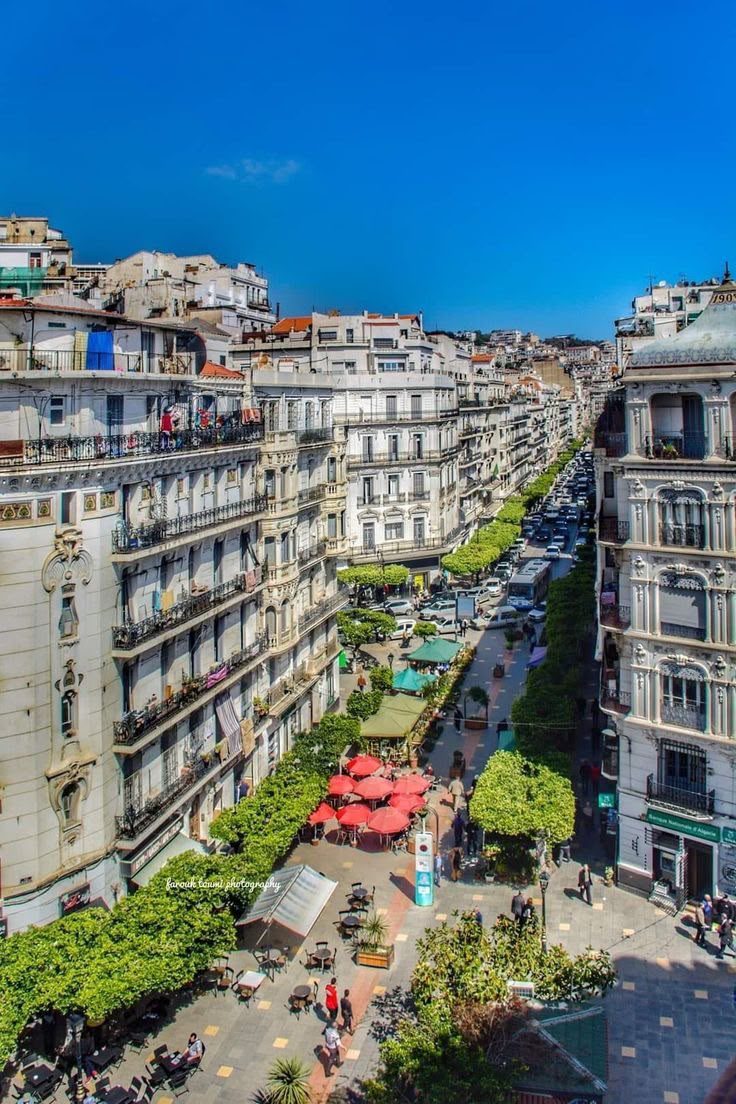
For ordinary travel, the northern cities, the Roman east, the western heritage towns and the organised southern desert are generally safe, with petty crime the main concern. Governments maintain warnings for some border zones and remote desert areas, and the far south is travelled with licensed guides and permits. Check your government's current advisory and plan routes accordingly.
“Is Algeria safe?” is the question that stops more trips than any other, and it deserves a calm, factual answer rather than either fear or salesmanship. The honest summary is that, for ordinary travel in its main regions, Algeria is safer than its reputation — while parts of its vast interior and borders are genuinely restricted. This guide separates the two, drawing on official advisories rather than anecdote, and connects to the travel-planning guides and the complete travel guide. The single most important habit is to read your own government’s current, map-based advisory before fixing routes. For the short version, see our quick answer: Is Algeria safe to visit?
Crime
Violent crime against foreign visitors is not the realistic concern in Algeria’s tourist regions; petty theft is. In crowded markets, transport hubs and busy city streets, pickpocketing and bag-snatching happen as they do across the Mediterranean. The countermeasures are ordinary: keep phones and cash discreet, use a cross-body bag, avoid displaying valuables, and stay alert in crowds and on packed transport. Hotel safes and a separate stash of emergency cash add a sensible layer.
Tourist safety
Day-to-day travel in Algiers, Oran, Constantine, Sétif, Tlemcen and the Roman sites is generally relaxed, and Algerians are notably hospitable toward the few foreign visitors they meet. You will often be helped rather than hassled. The practical friction is more about thin tourism infrastructure — limited signage in English, fewer services — than about danger. A visible security presence around sites and transport is normal and, on the whole, reassuring rather than alarming.
Women travellers
Many women travel in Algeria, solo and in groups, without incident. As across much of the region, modest dress (covering shoulders and knees) is respectful and reduces unwanted attention, more so outside the largest cities. Street harassment can occur, as it can anywhere; confident body language, awareness, and avoiding isolated areas after dark are the usual tools. Women travellers consistently report that ordinary courtesy and hospitality are the norm.
Families
Algeria suits families better than many expect. The coast, the parks, the walkable city centres and the accessible Roman sites like Djémila and Tipasa make good days out, and children are warmly welcomed. The real management tasks are environmental — sun, heat and water, particularly anywhere near the desert — rather than security. Keep desert exposure short for young children and travel with a trusted operator.
Road safety
Roads are one of the more material risks for visitors. Main highways are generally good, but driving styles, pedestrians, animals and poor lighting make rural night driving genuinely hazardous. Many visitors hire a driver rather than self-drive, which also removes navigation and language friction. If you do drive, avoid nights on rural roads, keep documents to hand for routine checkpoints, and build in generous time. See the transportation guide for how to move around.
Desert travel
The Sahara is safe when respected and organised, and dangerous when neither. Heat, dehydration, navigation and isolation are the real risks — not crime — and they are managed by travelling with a licensed operator who provides experienced guides, suitable 4x4 vehicles, water and communications, and who keeps to permitted areas. This structure, described in the Sahara region guide, is also why independent deep-desert travel is restricted. Treat any offer to bypass it as a warning sign.
Emergency numbers
Save these before you travel and confirm them locally on arrival: Police 17, Civil Protection (fire and rescue) 14, Gendarmerie Nationale 1055 for rural areas, and SAMU medical 115. Keep your accommodation’s address written in Arabic or French, your operator’s number, and your embassy’s contact details accessible. Numbers can change, so a quick check at your hotel is worthwhile.
Medical services
Cities have hospitals and clinics, with the best facilities concentrated in Algiers and other large centres; rural and desert areas are far less equipped, which is another reason guided desert travel matters. Bring any prescription medicines with documentation, a basic kit, and comprehensive travel insurance that covers medical evacuation — essential for the south. Check routine and recommended vaccinations with a travel-health source such as the CDC well before departure.
Political stability
Algeria is a stable state with a strong security apparatus, and the political situation does not generally impinge on ordinary tourism in the main regions. As anywhere, occasional demonstrations occur, chiefly in city centres; the sensible response is simply to avoid large gatherings and follow local guidance. None of this should deter a normal cultural or desert itinerary planned around the advisories.
Common risks and scams
Beyond petty theft and roads, the everyday annoyances are commercial: overcharging, unofficial “guides”, and currency tricks tied to the gap between the official and parallel exchange rates. Agree prices before you commit, change money through legitimate channels, and book tours with reputable, verifiable operators. Understanding the budget and money basics removes most of this risk before it arises.
Regional differences
This is the crux: Algeria is not one risk profile but several. The populated north and the heritage routes are generally fine; the organised southern desert is safe with the right operator; and certain remote border zones near Mali, Niger and Libya are commonly advised against. Because these lines shift, the regional table on this page is a guide only — your government’s current advisory is the authority.
Preparing well: a pre-trip safety checklist
Most of safe travel in Algeria is decided before departure. Read your government’s current advisory and note its map of any “advise against” zones, then design routes that stay well clear of them. Buy comprehensive travel insurance that explicitly covers medical evacuation, and keep the policy number to hand; for the desert this is non-negotiable. Register with your embassy’s traveller service if one exists, and leave an itinerary with someone at home. Photograph or copy your passport, visa and insurance, and store the copies separately from the originals. Pre-load offline maps and your accommodation’s address in Arabic and French. Choose a licensed operator for anything beyond the northern cities, and confirm exactly which areas your itinerary enters. None of this is unusual for a well-run trip — it simply turns “is it safe?” from a worry into a plan.
Health basics
Tap water is best avoided for drinking; bottled or treated water is the norm. Heat and sun are the most likely health issues, especially toward the south — pace activity, cover up, and carry more water than you think you need. Check routine and recommended vaccinations with a travel-health authority such as the CDC several weeks ahead, bring prescription medicines in their original packaging with a doctor’s note, and pack a basic first-aid kit. Good facilities exist in the cities; the further south you go, the more you rely on your operator’s logistics and your own preparation.
Frequently asked questions
The questions below reflect what travellers most often ask. For anything time-sensitive, defer to the official advisories listed below; our editorial and corrections policies explain how we keep safety content current.
About these sources
This guide is based on US and UK government travel advice and US CDC traveller-health information, with country background from Britannica. It is general information, not a substitute for your government’s current advisory or professional advice.
Who it suits
- ●●○Solo travellers (north)Common-sense precautions; cities are walkable and sociable.
- ●●○Women travellersGenerally safe; modest dress and the usual awareness help.
- ●●○FamiliesCoast, cities and Roman sites are well suited to families.
- ●○○Independent desert travelRestricted; use a licensed operator and permits.
Common mistakes
- Judging Algeria by old headlinesRead the current advisory and recent traveller reports.
- Attempting the deep desert independentlyBook a licensed operator who handles permits.
- Underestimating road and heat risksAvoid night driving; respect desert heat and water needs.
- Flashing valuables in crowdsKeep phones and cash discreet in markets and transport hubs.
- Ignoring local guidanceFollow guides, hosts and officials on where not to go.
| Typical guidance | Notes | |
|---|---|---|
| Northern cities & coast | Generally fine | Petty theft in crowds |
| Roman east / west heritage | Generally fine | Normal precautions |
| Organised southern desert | Go with a licensed operator | Permits + guides |
| Remote border zones | Often advised against | Mali/Niger/Libya frontiers |
Key facts
| Main risk | Petty theft in crowded areas |
| North / cities | Generally calm for travel |
| Deep south | Guided + permits; some border zones restricted |
| Police | 17 |
| Medical (SAMU) | 115 |
Sources
Key facts on this page are checked against the following sources. See our Sources Policy and Fact-Checking Policy.
- Algeria Travel Advisory — U.S. Department of State · Government source
- Foreign travel advice: Algeria — Safety and security — UK FCDO · Government source
- Algeria — Traveler health — U.S. CDC · Government source
- Algeria — Encyclopædia Britannica · Reference work


