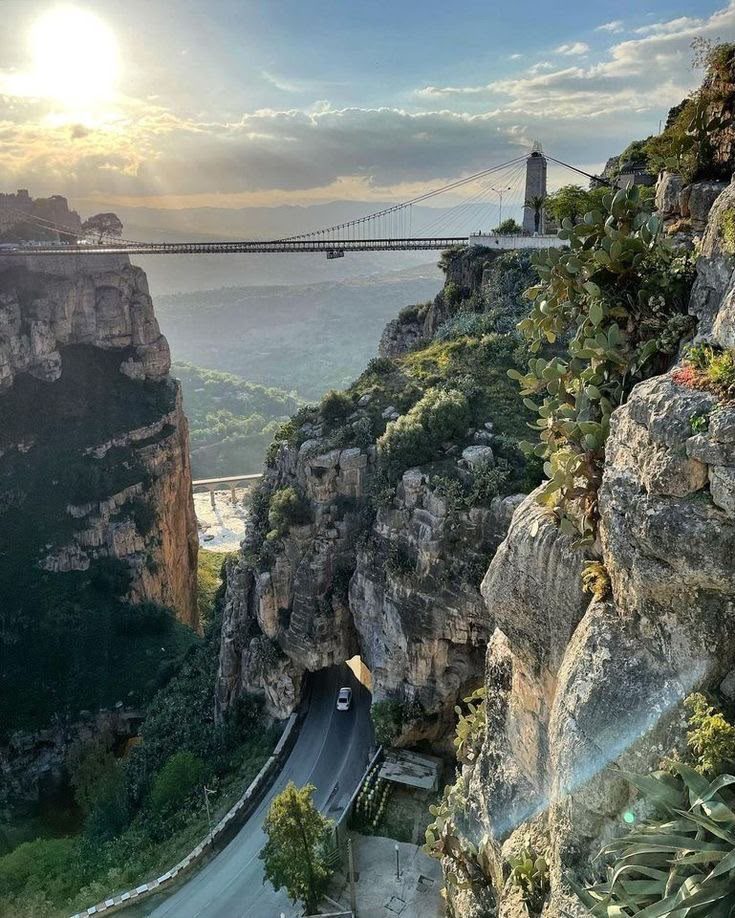
Wilaya 5 of Algeria, in the Eastern Algeria & the Aurès region; provincial capital Batna.
- Region
- Eastern Algeria & the Aurès
- Capital
- Batna
- Wilaya №
- 5
- Coordinates
- 35.556, 6.174
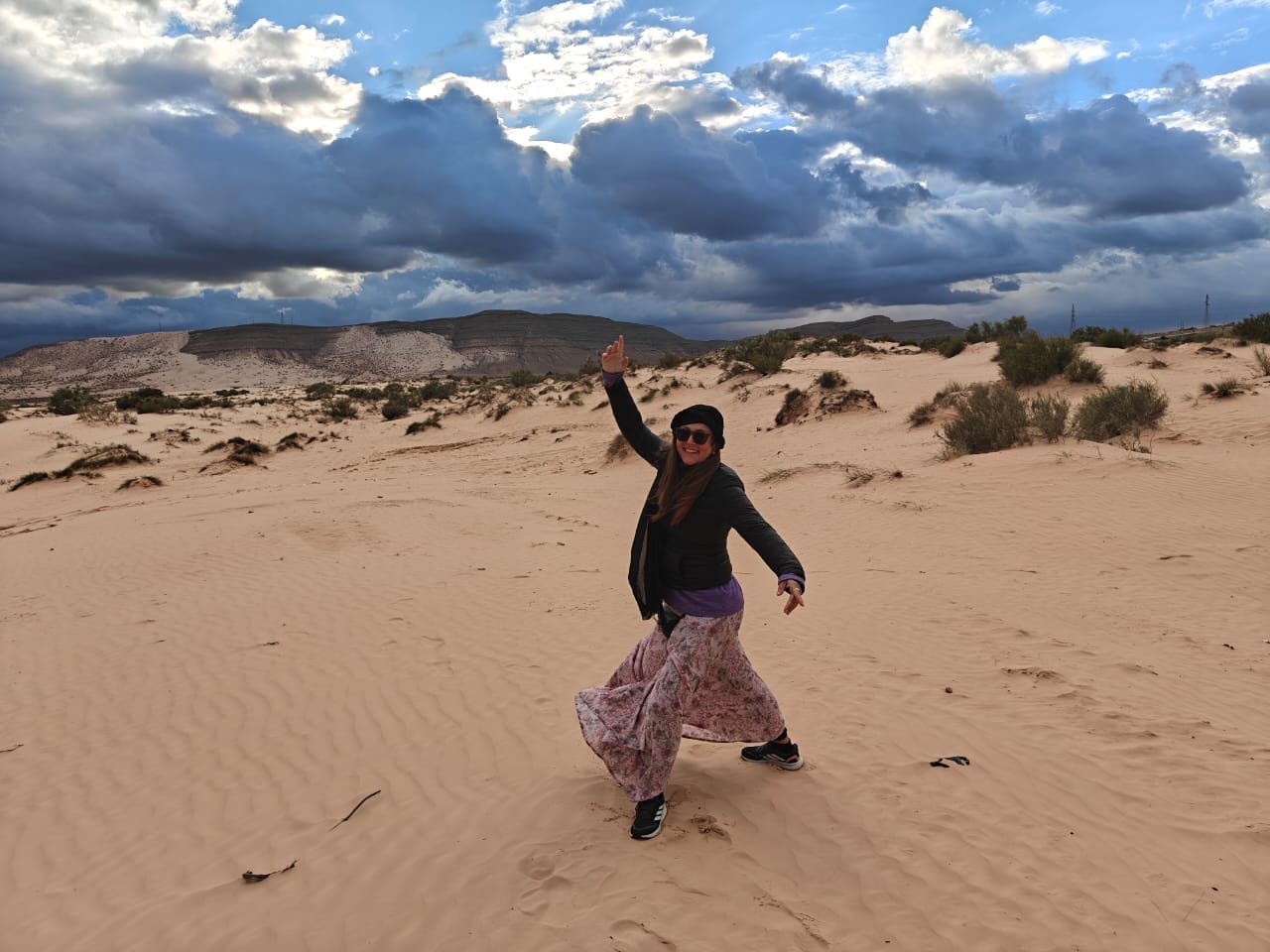
Algeria rewards overland travel — coast-to-Sahara routes, the Roman north-east circuit, and oasis loops through the M'Zab and the Saoura.
Algeria Road Trips on Algeria Compass brings together 12 mapped entities — provinces, mountains, desert regions and more — with the destinations, experiences and guides that connect to them.
Algeria rewards overland travel — coast-to-Sahara routes, the Roman north-east circuit, and oasis loops through the M'Zab and the Saoura.
Wilaya 5 of Algeria, in the Eastern Algeria & the Aurès region; provincial capital Batna.
Wilaya 8 of Algeria, in the The Great South region; provincial capital Béchar.
Wilaya 19 of Algeria, in the Eastern Algeria & the Aurès region; provincial capital Sétif.
Wilaya 25 of Algeria, in the Eastern Algeria & the Aurès region; provincial capital Constantine.
Wilaya 42 of Algeria, in the North-Central Tell region; provincial capital Tipaza.
Wilaya 47 of Algeria, in the Northern Sahara & Oases region; provincial capital Ghardaïa.
A mountain region of Algeria in the kabylie area.
A mountain region of Algeria in the east area.
A desert region of the Algerian Sahara in the sahara-north area.
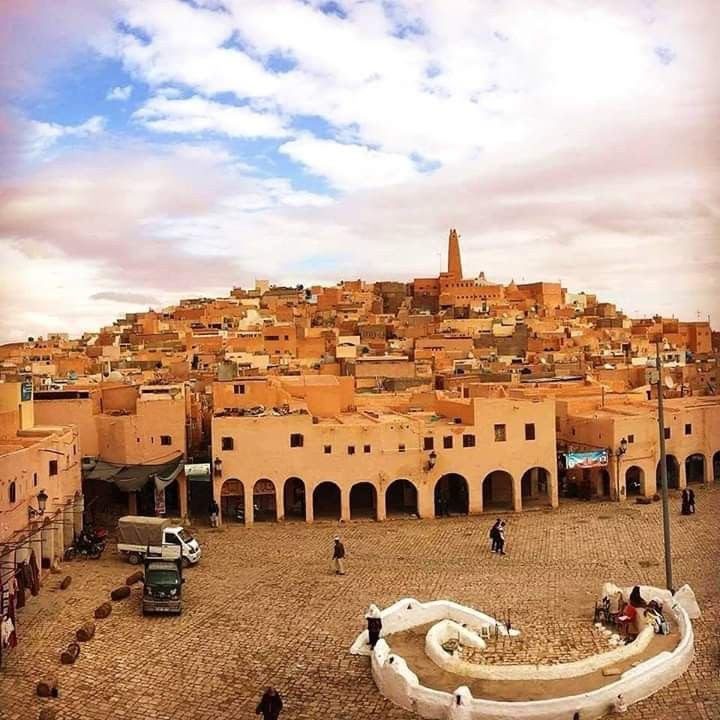
Ghardaïa is the gateway to the M'Zab Valley — a group of five fortified oasis towns built by the Ibadi Mozabites from around the 11th century and inscribed by UNESCO in 1982. Its tiered, pyramidal towns, palm groves and arcaded markets are among Algeria's most distinctive sights, and the M'Zab's radical, egalitarian urban design famously influenced 20th-century architects including Le Corbusier.
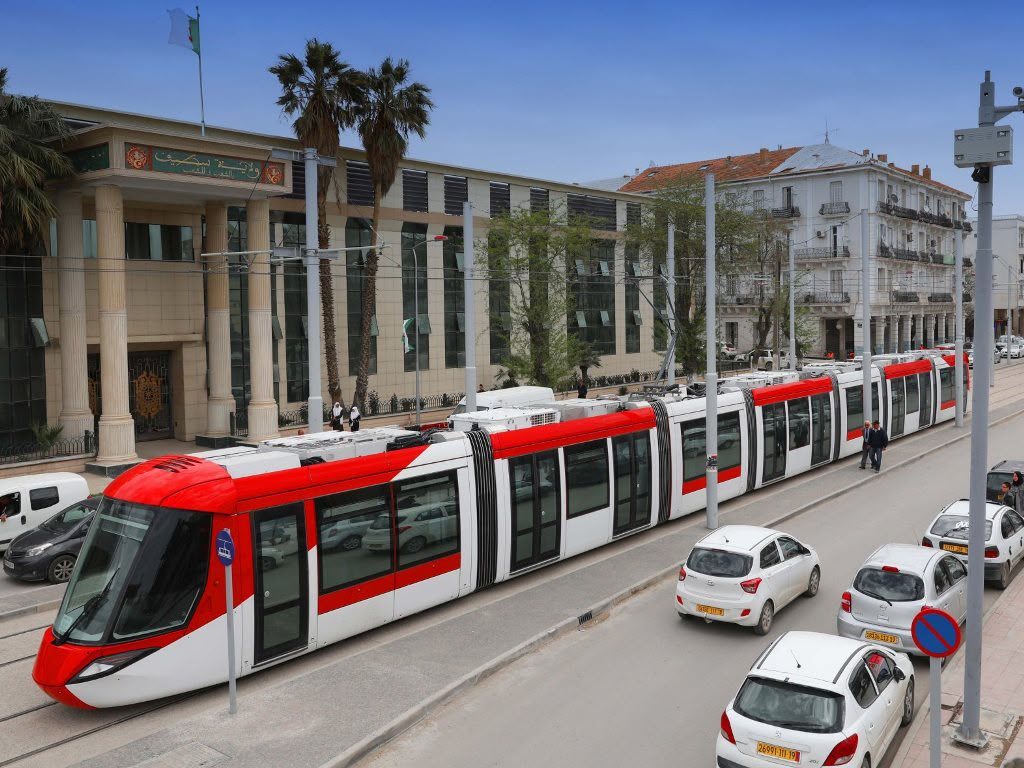
Sétif is a highland province in north-eastern Algeria, best known for Djémila — one of the world's best-preserved Roman cities and a UNESCO World Heritage Site since 1982. It sits at around 1,100 m on the High Plateaus, has a cool four-season climate, the cedar forests of Babor, the landmark Ain El Fouara fountain, and a defining place in Algeria's road to independence.
Yes — major roads are good, and routes can link the coast, the Roman cities and the northern Sahara; the deep south is best with a guide and 4x4.
Algiers to Constantine via the Roman east (Djémila, Timgad), or a northern-Sahara loop through Ghardaïa and the oases.