What it is
The M’Zab Valley is a cluster of five fortified desert towns around Ghardaïa, in the northern Algerian Sahara, inscribed as a UNESCO World Heritage Site in 1982. Built from the 11th century by the Ibadi Mozabites — a distinct Amazigh Muslim community — the valley is a rare living example of a medieval urban plan still inhabited and used exactly as intended. (To plan a visit, see the Ghardaïa travel guide.)
Why it matters
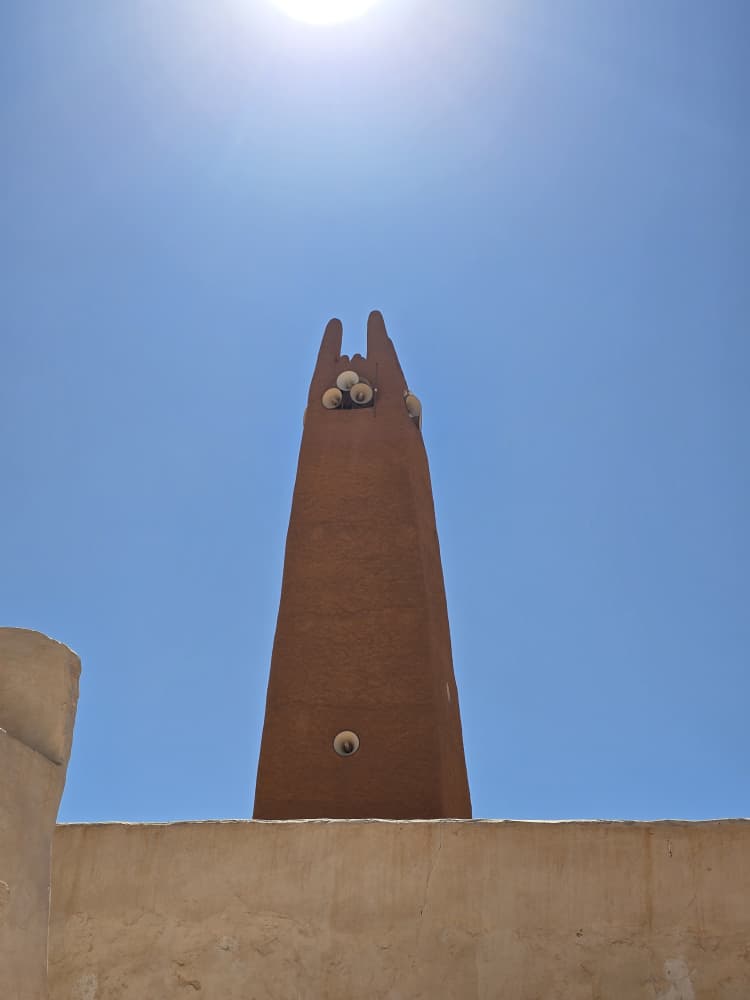
Each of the five towns is a small masterpiece of desert design: a tight spiral of houses climbing a hill to a mosque whose minaret doubles as a watchtower, ringed by walls, with palm groves and a sophisticated flood-water sharing system below. The whole was conceived as an egalitarian, climate-adapted community, and few places show so clearly how people built a humane city in one of the harshest environments on Earth.
The Ibadi Mozabites
The valley’s people are the Mozabites, an Amazigh community following Ibadi Islam who withdrew deep into the Sahara to live by strict, communal rules. They have their own language (Tumzabt), a distinctive dress, and a famously disciplined commercial culture — Mozabite traders are found across Algeria. Society here is conservative and tightly knit, organised around the mosque and community institutions, and it is this living culture, as much as the stone, that UNESCO protects.
The design that influenced modern architecture
What makes the M’Zab extraordinary is its urban logic. Houses are near-identical cubes, sized and placed so that none blocks another’s light, air or privacy; streets, markets, mosques and palm groves all follow a deliberate, egalitarian, climate-adapted plan that feels astonishingly modern. Le Corbusier studied the M’Zab repeatedly and drew on its forms, and the architect Fernand Pouillon admired it too — a rare case of a medieval Saharan settlement shaping 20th-century design. (The story is told in full in our M’Zab & Le Corbusier essay.)
The five towns
- Ghardaïa — the largest town, built around a celebrated arcaded market square.
- Beni Isguen — the holy, walled town, entered with a guide; known for restricted photography and a famous late-afternoon market auction.
- Melika — perched above the valley with fine views and old cemeteries.
- Bounoura — a quieter hillside town completing the pentapolis.
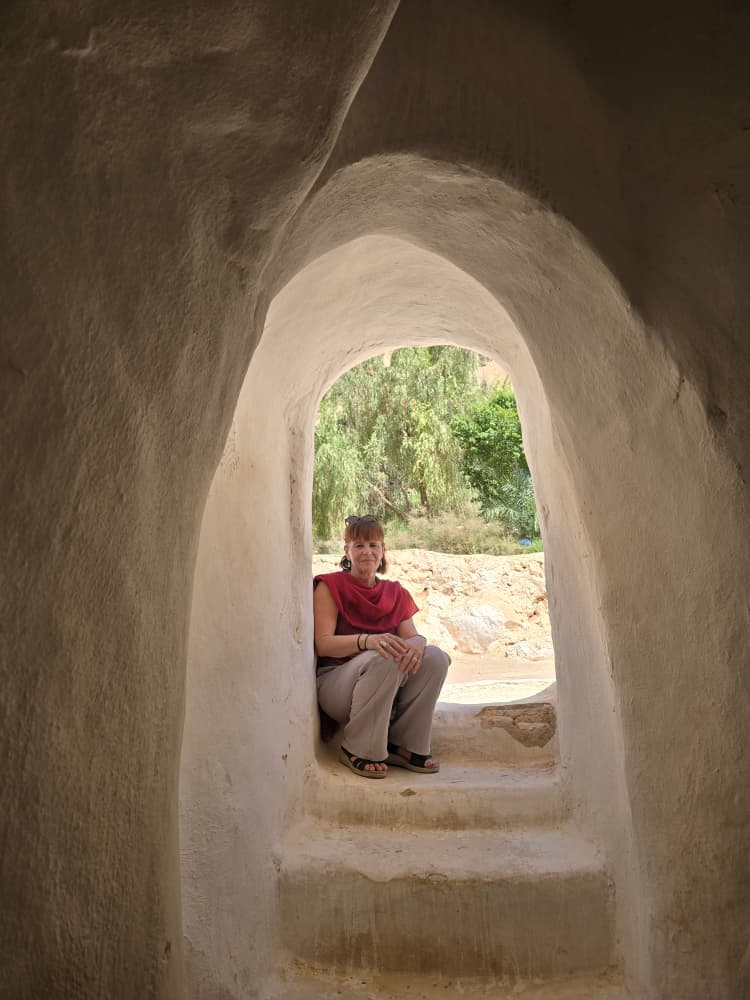
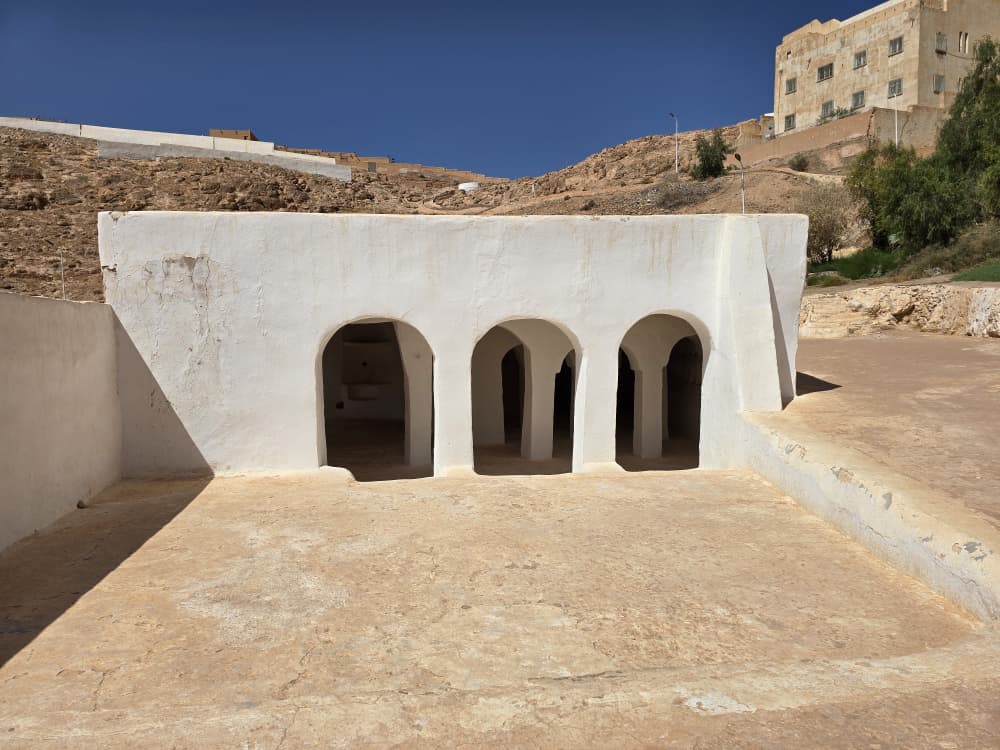
- El Atteuf — the oldest of the towns, home to the luminous early mosque of Sidi Brahim, admired for its sculptural simplicity. Around them all stretch the palm groves that make desert life possible — part of the same designed landscape.
How to visit
The M’Zab is visited from Ghardaïa, the valley’s base, in the cool season (October–April), with a local guide who is required for Beni Isguen. For flights, road access, where to stay, etiquette and a day-by-day plan, see the Ghardaïa travel guide.
Explore it with us
The M’Zab features on our Ghardaïa guided tour, the Djanet & Ghardaïa desert journey and our grand discovery itinerary. See the Ghardaïa travel guide to plan it, or tell us your dates and we will build the valley into a private trip.