Why visit Constantine
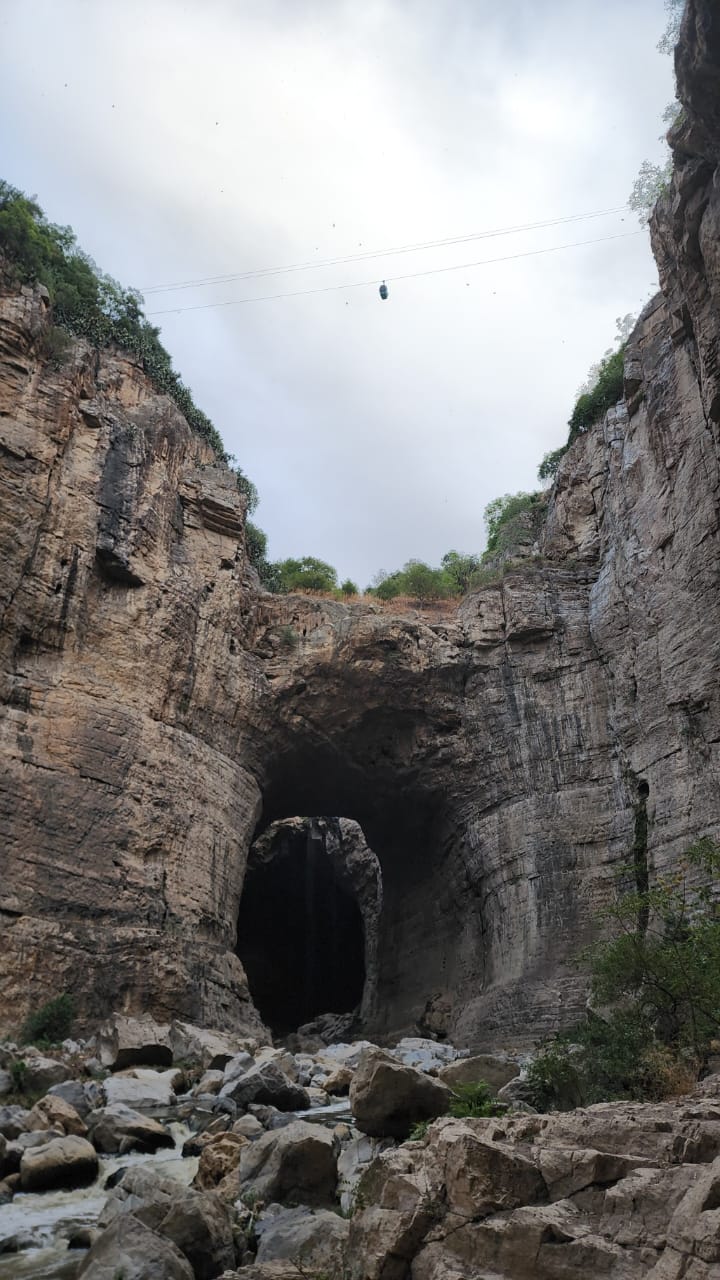
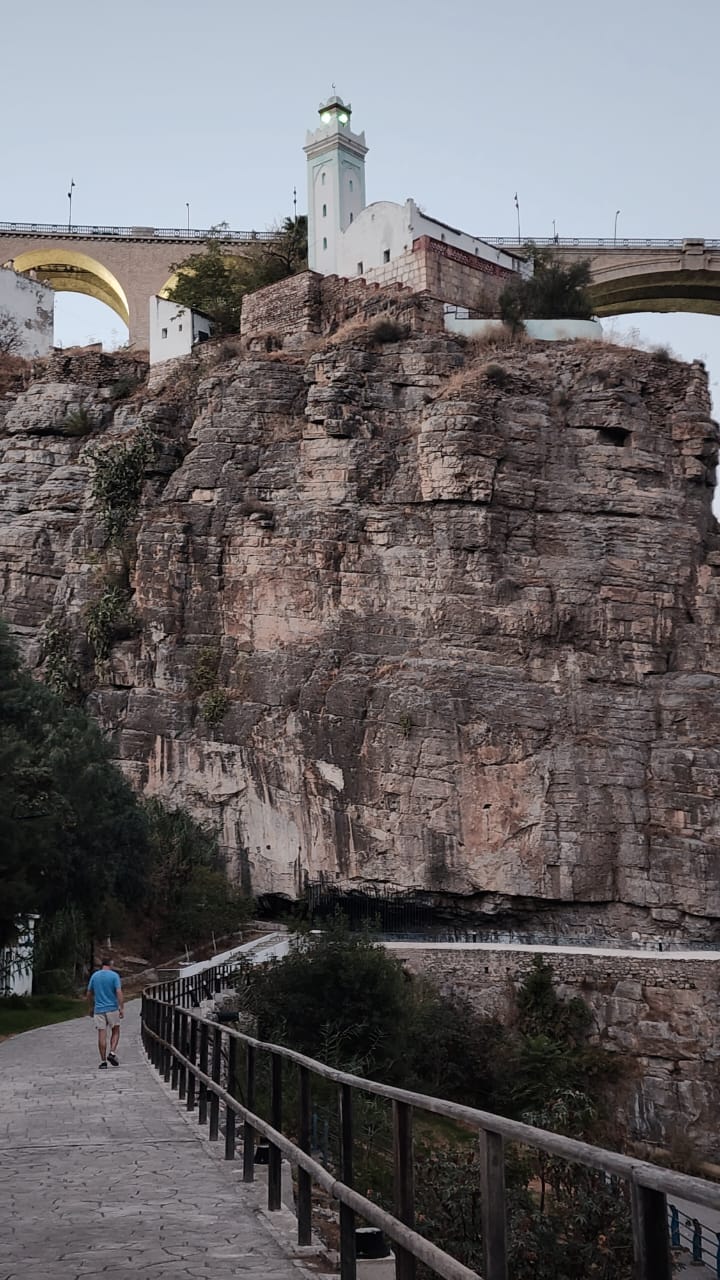
Few cities have a setting like Constantine — an old town on a high rock almost ringed by the plunging Rhumel gorge and leapt by spectacular bridges. This page is your practical guide to visiting: how to get there, when to go, how long to stay and how to pair it with the Roman east. For the city’s history, monuments and malouf music in depth, see the Constantine destination guide, and for its place in the wider east the Constantine region guide.
Getting there & around
Constantine has a major airport (domestic and some international flights) and sits on the eastern rail and road network, about 1.5–2 hours from Sétif. The historic core is best explored on foot — walking several of the bridges and the gorge viewpoints is the experience — with short transfers to the outlying sites. We arrange a licensed guide and transport.
When to go
Spring (April–June) and autumn (September–October) are the most comfortable on the highlands, with clear light over the gorge. Summer is hot, and winter can be cold and wet at altitude.
How many days & itineraries
Allow one to two days for the city, more if you continue into the Roman east:
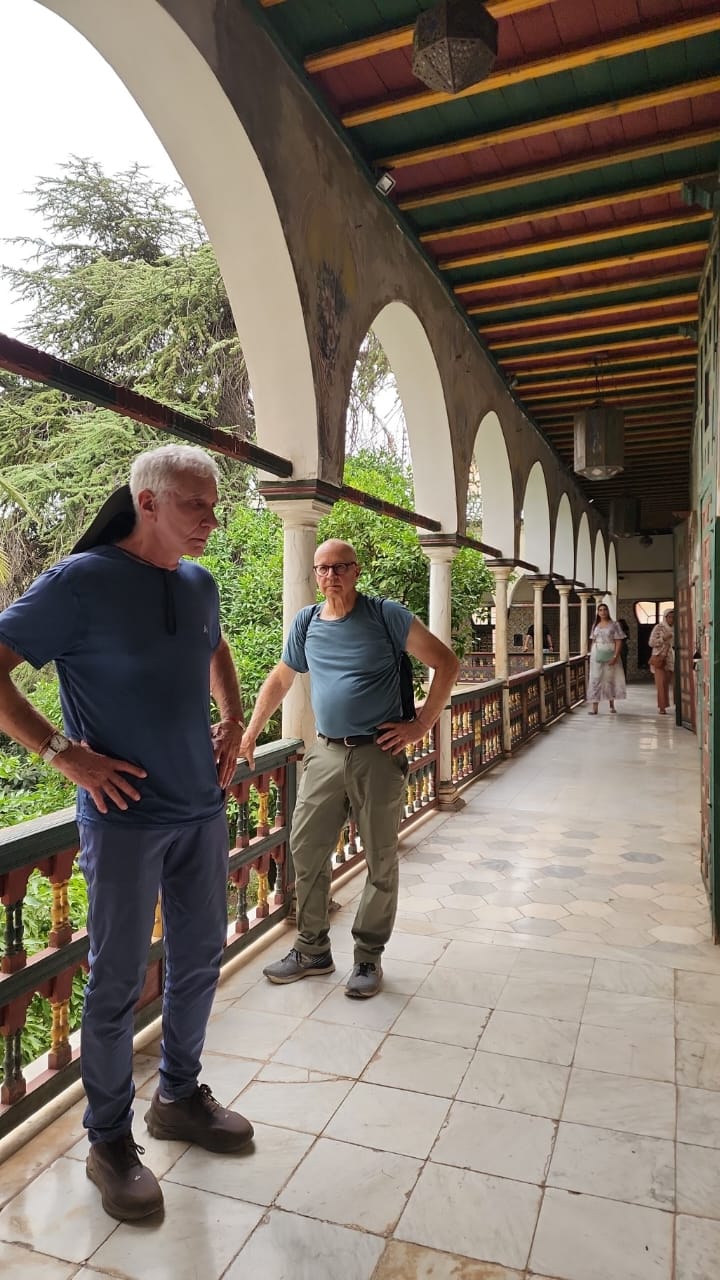
- One day: the bridges and gorge viewpoints, the Ahmed Bey Palace and the old medina.
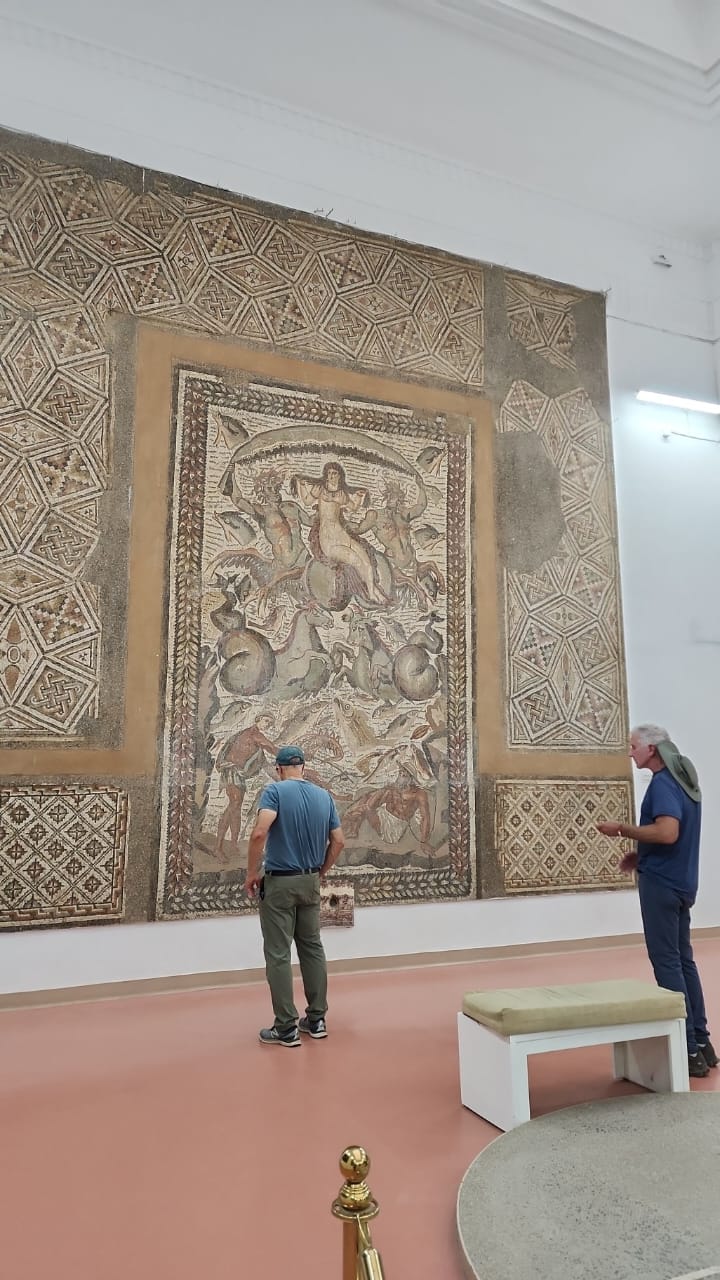
- Two days: add the Cirta Museum and the Monument aux Morts panorama.
- Eastern loop (2–3 days): combine Constantine with Djémila and Timgad, using Sétif as a hub.
What to see
The signature experience is the gorge and its bridges — the Sidi M’Cid suspension bridge above all — alongside the Ahmed Bey Palace, the Cirta Museum and the old medina. Each is covered in detail, with the city’s layered history and malouf tradition, on the Constantine destination guide.
Where to stay
Stay in the modern city within reach of the bridges and the medina; it makes the most practical base for both the city sights and day trips to the Roman cities. We arrange vetted accommodation as part of an itinerary.
Pair it with the Roman east
Constantine is the natural anchor for the Roman north-east: the grid city of Timgad, the hillside ruins of Djémila and the museums of Sétif are all within day-trip range, making a rich two-to-three-day history loop.
Practical tips
- Walk several of the bridges and seek out the gorge viewpoints for the full effect.
- Allow unhurried time for the Ahmed Bey Palace and the Cirta Museum.
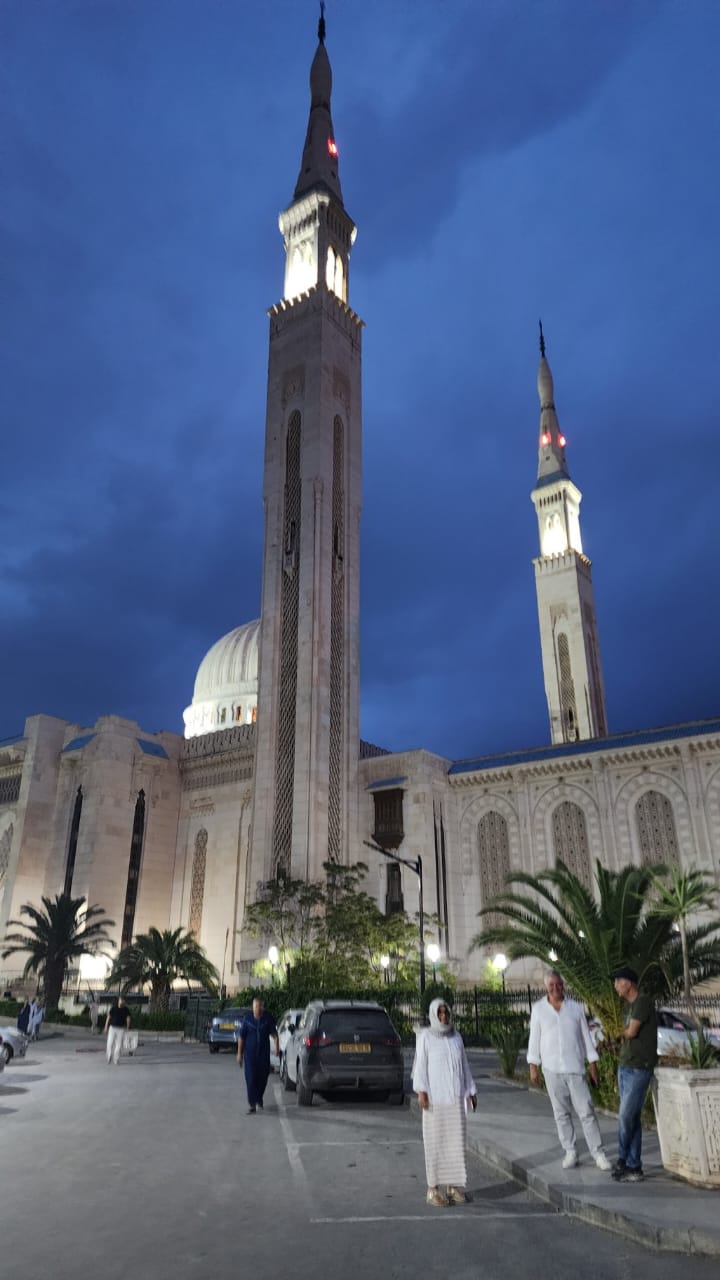
- Dress modestly for mosques and the medina.
Looking for the site itself? This page covers the whole state. For Constantine as a destination — what to see and the monuments themselves — see our Constantine destination guide.