Coastal mountain park above Béjaïa with Cap Carbon and macaques.
- Region
- Kabylie
- Located in
- Béjaïa
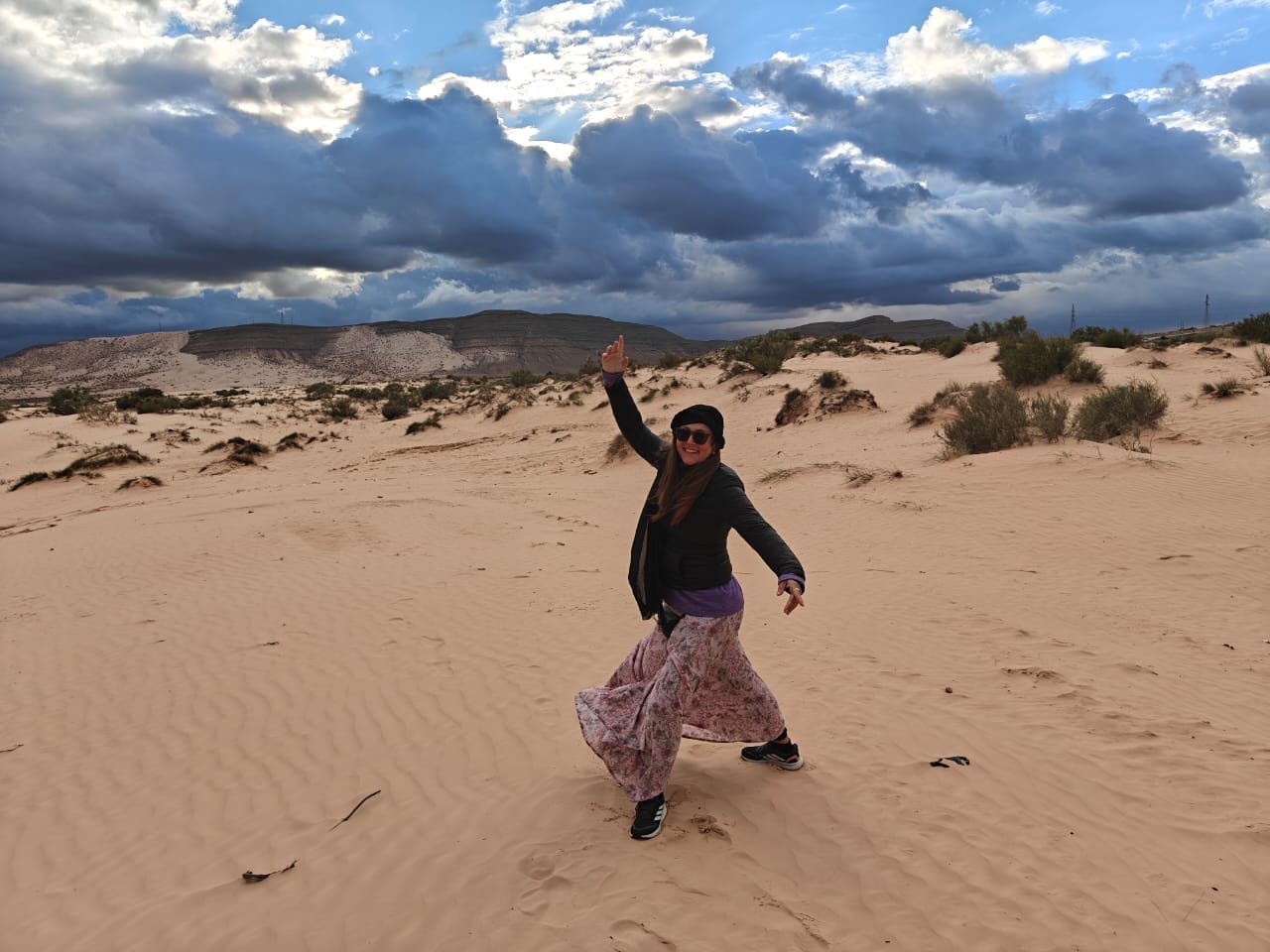
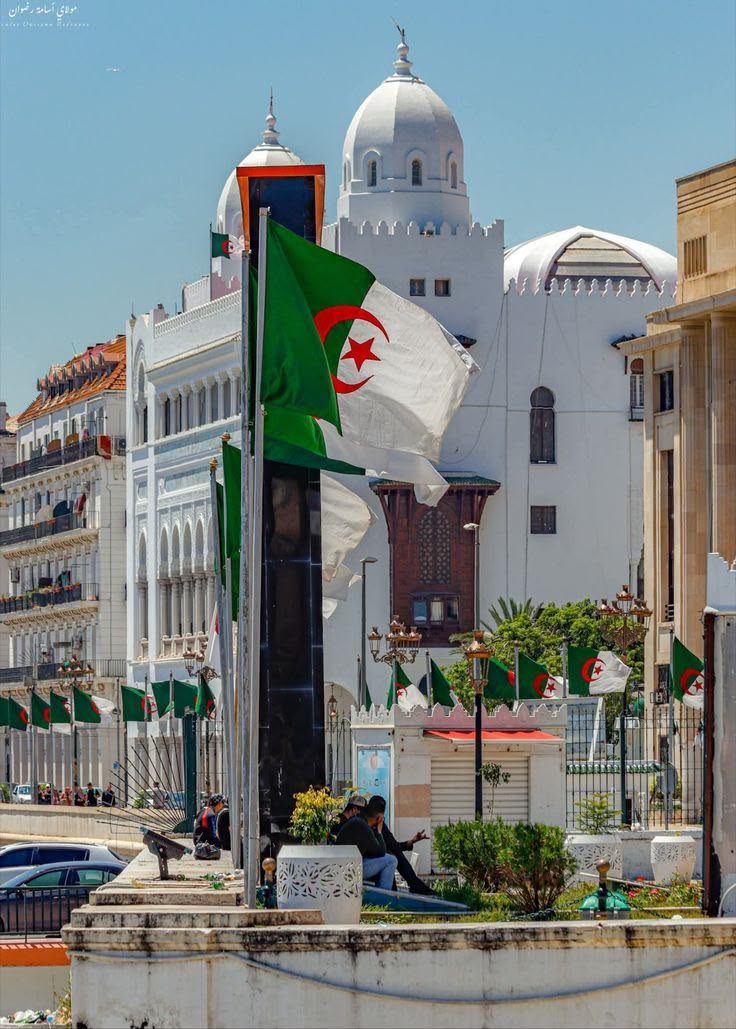
Algeria has roughly 1,600 km of Mediterranean coast — the bays of Algiers and Oran, the turquoise Corniche of Jijel, and the cork-oak shores of El Kala.
Algeria Mediterranean Coast on Algeria Compass brings together 9 mapped entities — national parks, coast and more — with the destinations, experiences and guides that connect to them.
Algeria has roughly 1,600 km of Mediterranean coast — the bays of Algiers and Oran, the turquoise Corniche of Jijel, and the cork-oak shores of El Kala.
Coastal mountain park above Béjaïa with Cap Carbon and macaques.
Wetlands, lakes and cork-oak park near the Tunisian border.
Coastal forest and karst park on the Corniche Jijelienne.
A stretch of Algeria's Mediterranean coast in the tell-center area.
A stretch of Algeria's Mediterranean coast in the kabylie area.
A stretch of Algeria's Mediterranean coast in the kabylie area.
A stretch of Algeria's Mediterranean coast in the west area.
A stretch of Algeria's Mediterranean coast in the east area.
A stretch of Algeria's Mediterranean coast in the tell-center area.
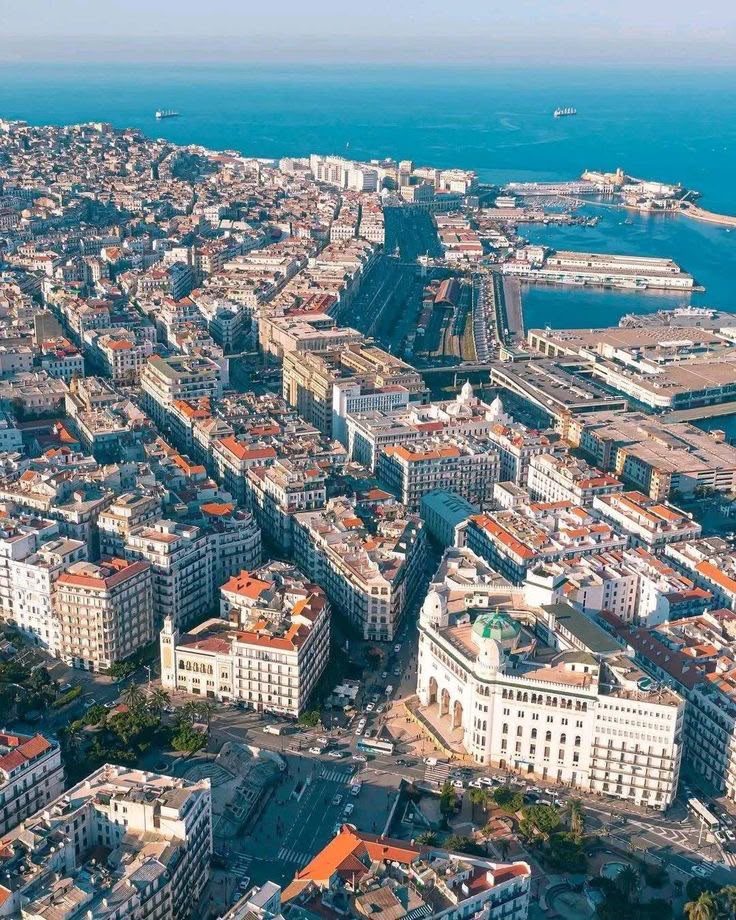
Algiers (El Djazaïr) is Algeria's capital and largest city — a Mediterranean port famous for its UNESCO-listed Ottoman Casbah, white tiered waterfront, French-colonial boulevards, the vast new Great Mosque of Algiers, and grand monuments like Notre-Dame d'Afrique and the Maqam Echahid. It's the country's main gateway and a city best explored on foot, with a guide for the Casbah.
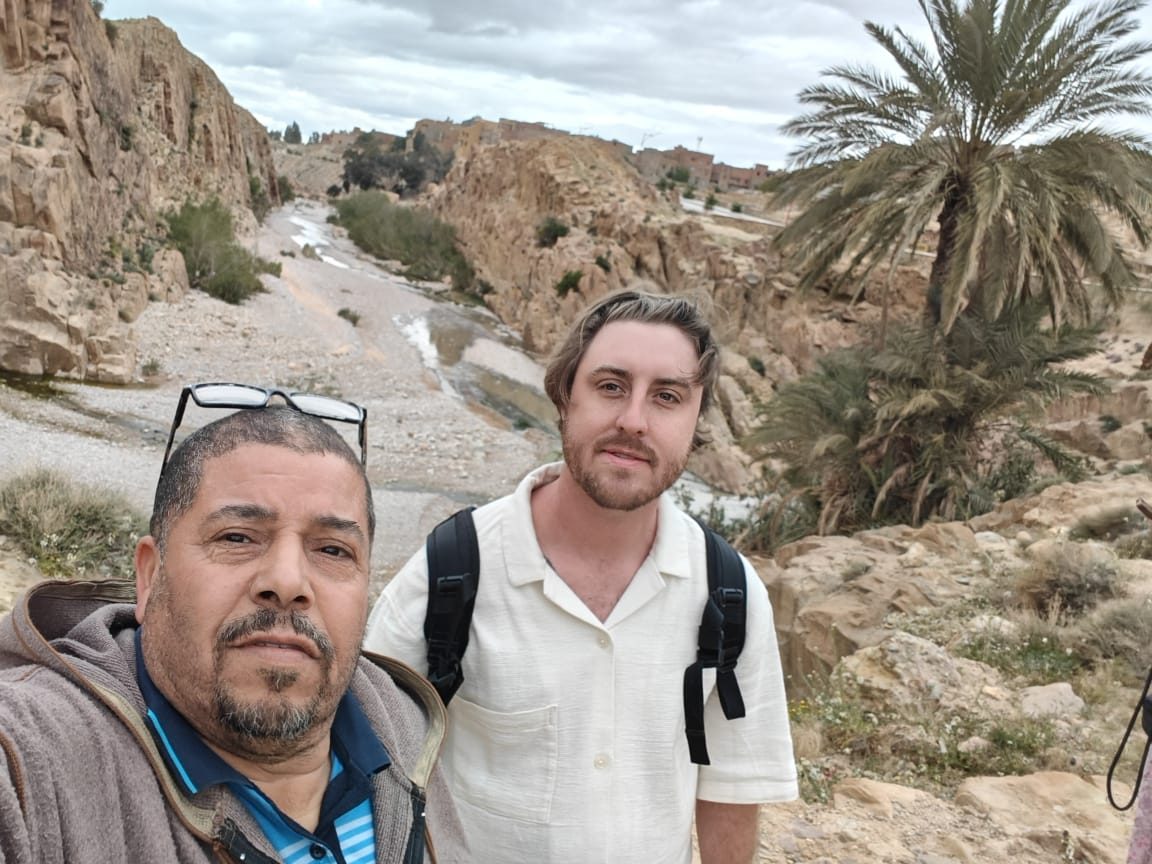
Béjaïa is a coastal province in Kabylie where the Djurdjura mountains plunge straight into the Mediterranean. It's known for Gouraya National Park, the clifftop Cap Carbon lighthouse, the scenic Corniche beaches, deep Kabyle (Amazigh) culture, the dramatic Kherrata gorges, and a layered history — including its medieval role in transmitting Arabic numerals to Europe and the pivotal Soummam Congress of 1956.
Along the Corniche Jijelienne, the Béjaïa and Tipaza coasts, and around Oran's Les Andalouses.
Yes — Tipasa, a UNESCO Roman port, sits directly on the central coast.